
Beyond the Myth: Discovering the Historical Yasuke
Discover Who is Yasuke, the legendary African samurai. Uncover facts vs. fiction, his journey to Japan, and pop culture impact.

Showing Yasuke: Japan’s Enigmatic African Samurai
The question of Who is Yasuke has recently captured global attention. He was a real African man who became a samurai in 16th-century Japan. His story has gained new life thanks to popular culture, like the video game ‘Assassin’s Creed Shadows’ and the Netflix anime ‘Yasuke’. But who was this mysterious figure, and what do we really know about him?
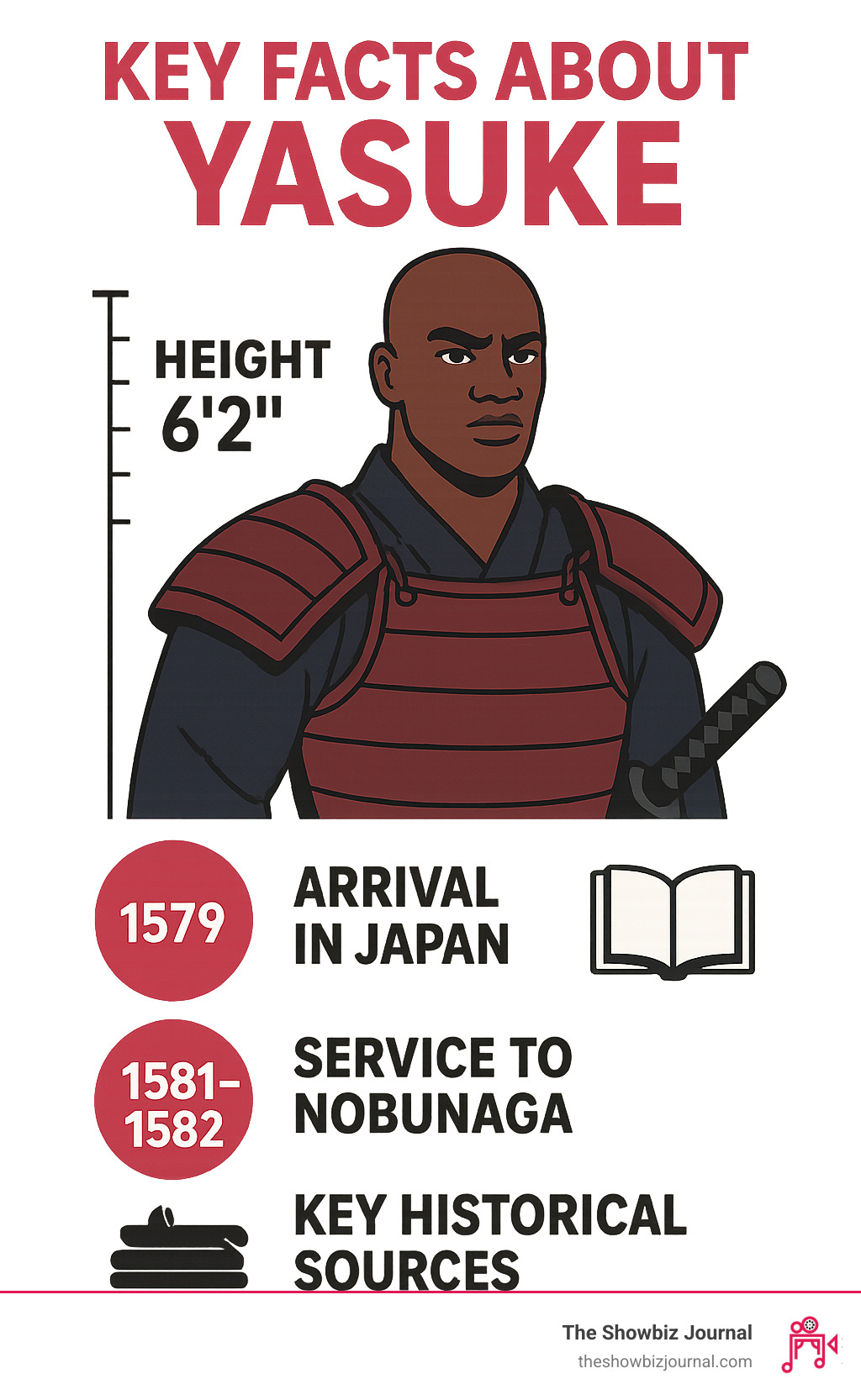
Here’s a quick look at who Yasuke was:
- Identity: An African man who served as a samurai.
- Arrival in Japan: Arrived in 1579 with a Jesuit missionary.
- Served: The powerful warlord Oda Nobunaga from 1581 to 1582.
- Physical Traits: Stood about 6 feet 2 inches tall. Accounts said he had the strength of 10 men.
- Significance: Believed to be the first known foreign samurai in Japan.
For centuries, Yasuke’s life was a historical puzzle. Now, new interest helps us separate fact from fiction about his time in war-torn 16th-century Japan. His unique place in history and pop culture is a narrative that deeply resonates with entertainment enthusiasts from Hollywood to Anaheim, as the entertainment world continues to uncover trends and authentic voices that shape our culture.
The Journey to Japan: Yasuke’s Origins
Who is Yasuke and where did he come from? Like many captivating stories from centuries past, Yasuke’s origins are wrapped in mystery that would make any Hollywood screenwriter jealous.
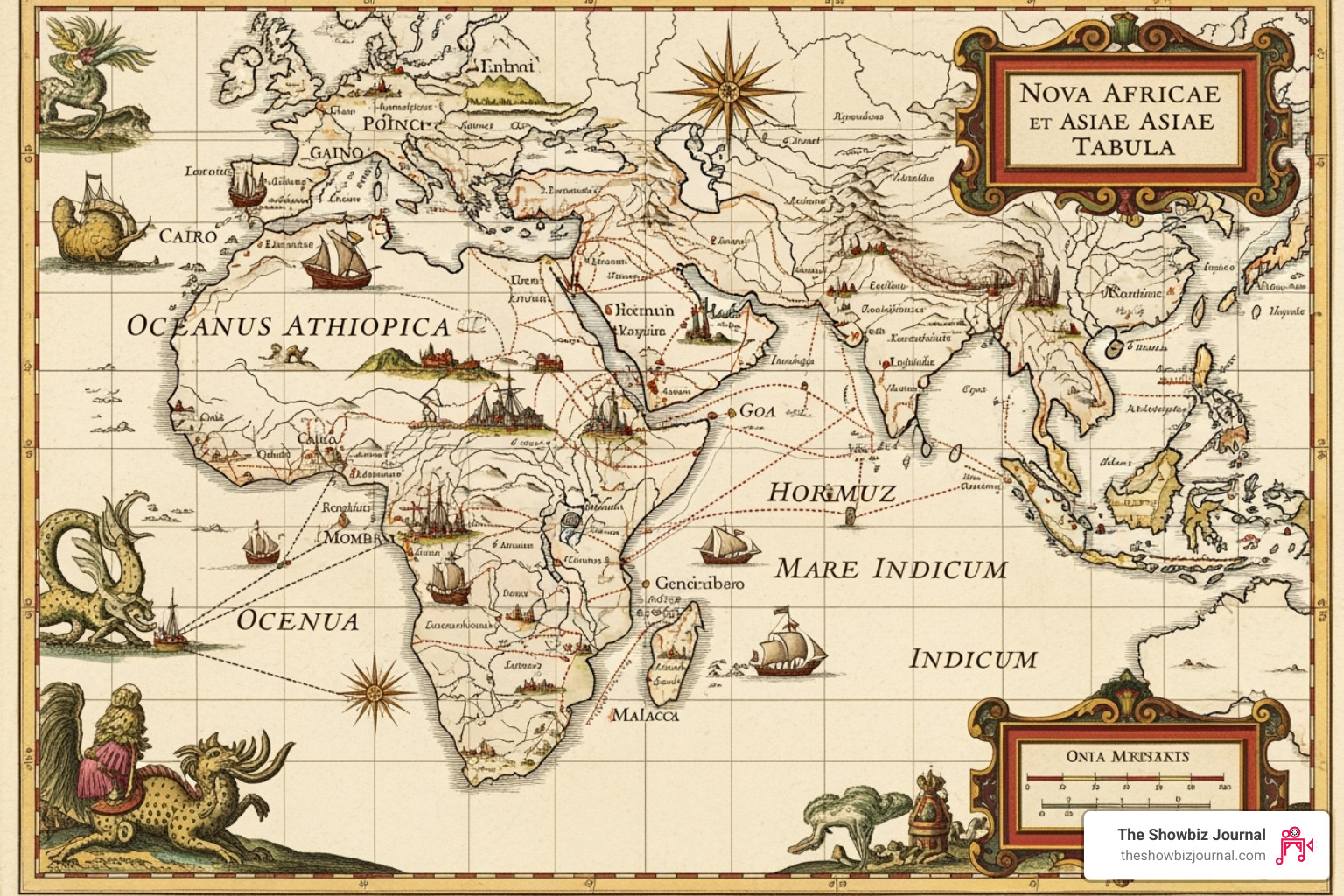
Historians have pieced together some clues about his early life, though the full picture remains elusive. Most evidence points to Mozambique as his likely birthplace, though Ethiopia and other parts of Portuguese East Africa are also possibilities. What we know for certain is that his life changed forever when he crossed paths with Italian Jesuit missionary Alessandro Valignano.
In 1579, Yasuke arrived on Japanese shores as part of Valignano’s entourage. He likely served as the missionary’s bodyguard – a role that made perfect sense given his towering height of over six feet and legendary strength. Picture this: a man standing 6 feet 2 inches tall stepping off a ship into a world where the average person was much shorter.
The moment Yasuke set foot in Japan, he caused an absolute sensation. This wasn’t just polite curiosity – it was pandemonium. In the port city of Sakai, crowds pressed so desperately to catch a glimpse of this remarkable stranger that some buildings actually collapsed under the weight of eager onlookers.
Think about it from their perspective. While Japan was experiencing its first major encounters with European traders and missionaries, no one had ever seen an African man of Yasuke’s impressive stature and presence. His first impressions were so powerful that word of his arrival spread like wildfire across the country.
The journey that brought Yasuke from Africa to Japan speaks to the incredible global connections that existed even in the 16th century. Those ancient trade routes linking continents carried more than just goods – they carried people whose stories would echo through history, eventually inspiring everything from anime series to video games that captivate audiences in places like Anaheim and Hollywood today.
In the Service of the Great Unifier, Oda Nobunaga
The path that led Yasuke to the most powerful warlord in Japan, Oda Nobunaga, is one of history’s most fascinating encounters. Imagine the scene: When Yasuke was presented to Nobunaga in 1581, the warlord’s reaction was, to put it mildly, disbelief. Nobunaga, who was used to the complexion of Japanese people, initially thought Yasuke’s dark skin was painted. He even ordered Yasuke to be scrubbed, convinced it was dirt or a dye. Can you imagine a powerful leader ordering a man to be washed just to prove his skin color wasn’t artificial?
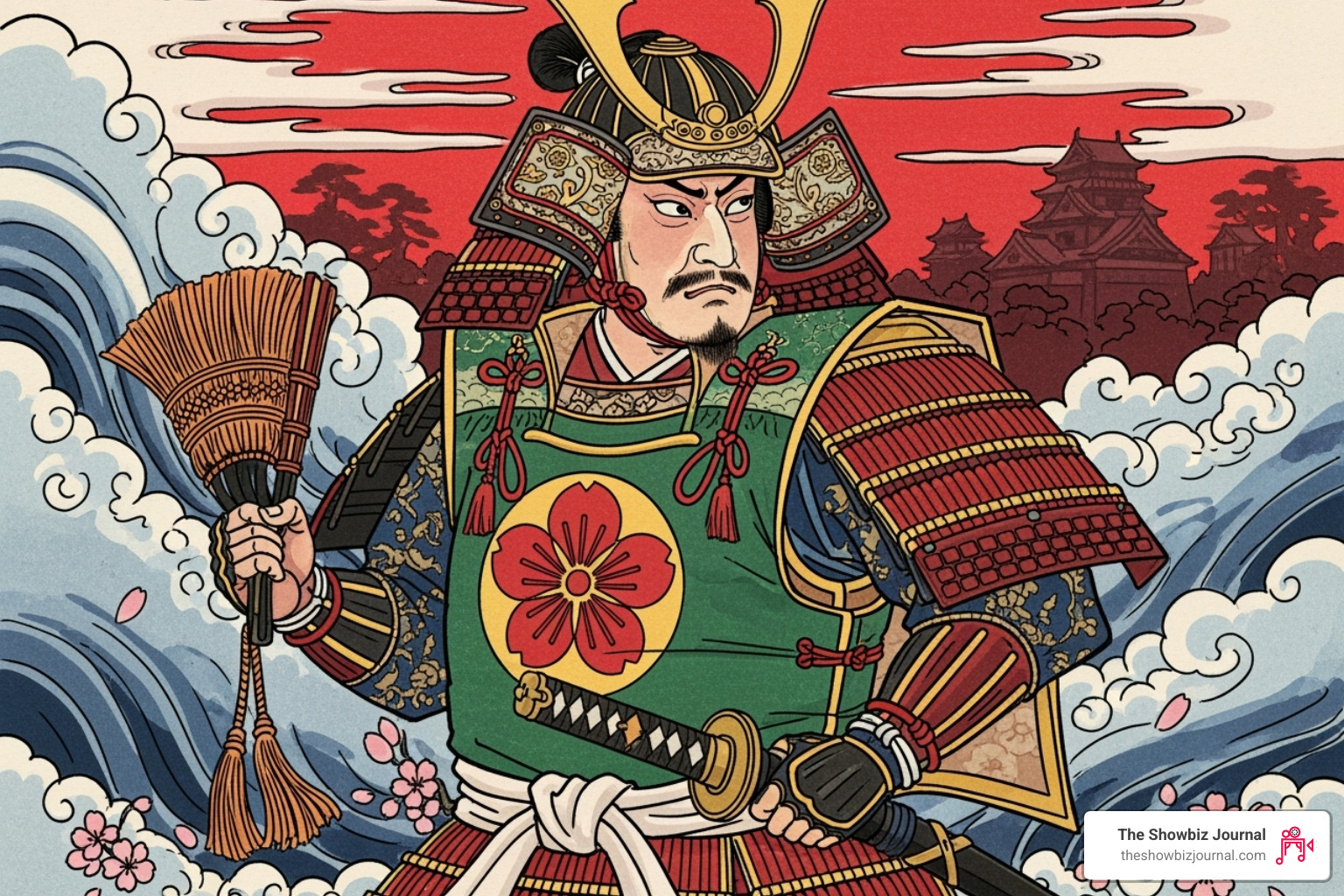
Only after a thorough scrubbing did Nobunaga realize that Yasuke’s skin was naturally dark, and that’s when his fascination truly deepened. Nobunaga was captivated by Yasuke’s impressive stature. Not only was he exceptionally tall for the era (that 6-foot-2-inch height was truly remarkable in 16th-century Japan), but accounts also described him as possessing a strength that “surpassed that of 10 men.” The Chronicle of Lord Nobunaga, known as the Shinchō kōki, even detailed this incredible power. Nobunaga was known for his love of novelty and his keen interest in foreign cultures, making Who is Yasuke an instant source of intrigue.
Yasuke quickly gained Nobunaga’s favor. He was given a Japanese name, accepted into Nobunaga’s service, and granted a stipend, a house, servants, and even a personal sword – all clear symbols of high honor and status. He was one of the few individuals who dined with Nobunaga, a clear sign of their close relationship and trust. Yasuke reportedly learned to speak Japanese, allowing for direct communication with Nobunaga, further solidifying his position. He served Nobunaga for about 15 months, from 1581 to 1582, a relatively short but incredibly impactful period.
The Unique Relationship with a Warlord
Oda Nobunaga’s court was a place of immense power, ambition, and often, brutal efficiency. Yet, within this environment, Yasuke found a unique place. He was more than just a novelty; he became a trusted retainer, a weapon bearer, and a confidant. Nobunaga, who was on a mission to unify Japan under his rule, saw in Yasuke not just a curiosity, but a formidable warrior.
Their relationship transcended the typical lord-retainer dynamic. Yasuke was part of Nobunaga’s close entourage, accompanying him on campaigns and being present at significant events. His presence was a testament to Nobunaga’s open-mindedness and his willingness to accept talent regardless of origin, a truly progressive trait for the time. Yasuke was, in many ways, a living symbol of Nobunaga’s interest in the outside world and his vision for a unified Japan that might incorporate foreign elements. This dynamic, a powerful warlord and his imposing African retainer, makes their story truly unique in the annals of Japanese history.
The Great Debate: Was Yasuke a True Samurai?
Here’s where things get really interesting when we ask Who is Yasuke: Was he actually a samurai, or just a well-treated foreign warrior? This question has sparked heated debates among historians for centuries, and honestly, it’s not as straightforward as you might think.
In 16th-century Japan, being a samurai wasn’t just about carrying a sword and looking tough. The warrior class was traditionally hereditary – you were usually born into it. These warriors followed strict codes, underwent years of training, and held specific social positions that came with their bloodline.
So where does that leave Yasuke? Some historians argue he was more like a highly valued bodyguard or weapon bearer rather than a true samurai. They point out that he didn’t have the traditional background or lengthy martial training that defined the samurai class.
But here’s the thing – Nobunaga himself seemed to think differently. When the most powerful warlord in Japan gives you a house, servants, and your own katana sword, that’s not exactly a participation trophy. These weren’t just gifts; they were symbols of honorary status that Nobunaga rarely bestowed on anyone.
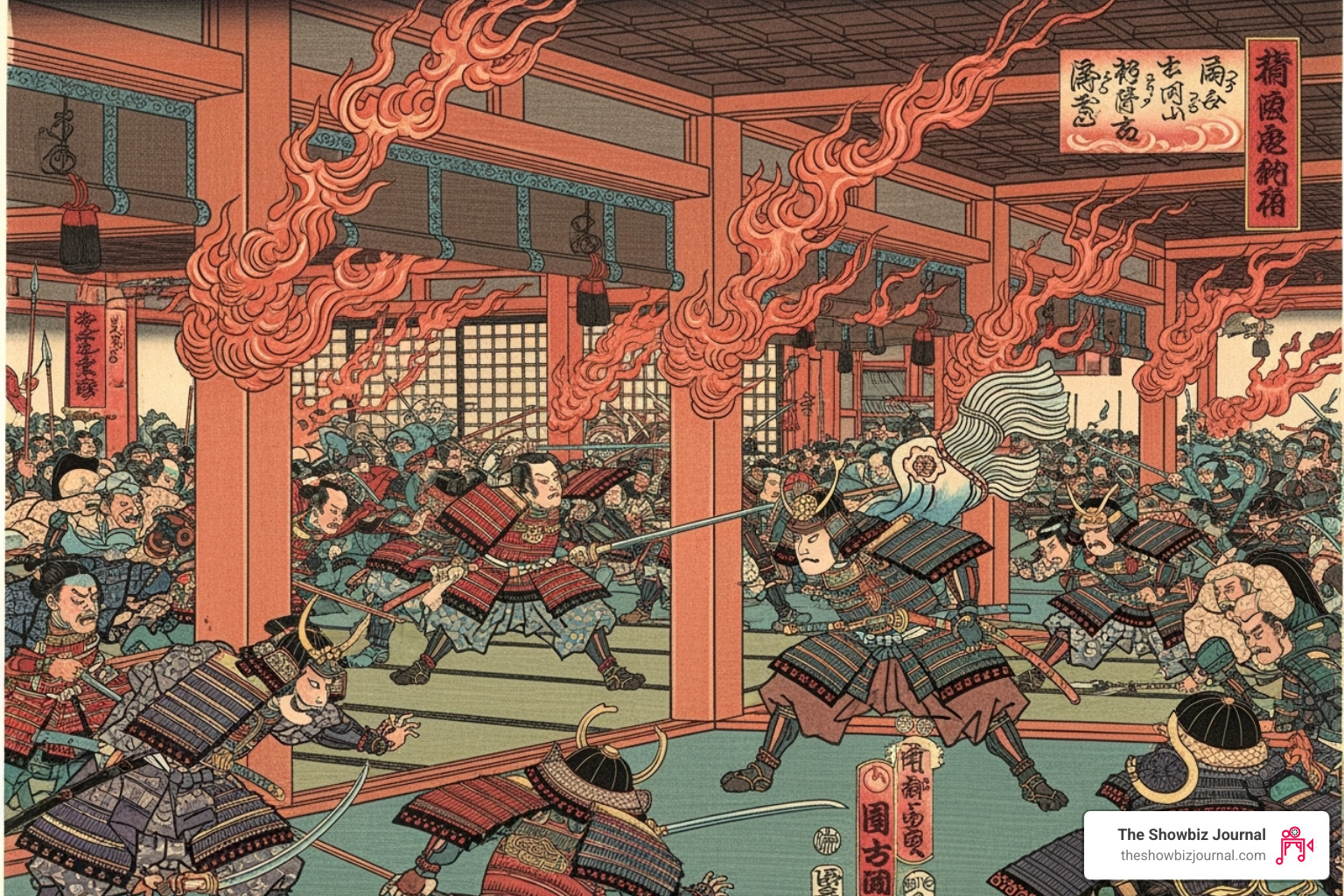
The real test came during the infamous Honnō-ji Incident in 1582. When Nobunaga’s trusted general Akechi Mitsuhide staged his betrayal, surrounding Nobunaga at Honnō-ji Temple in Kyoto, Yasuke didn’t run. He fought fiercely alongside his lord’s forces, proving his loyalty when it mattered most. As Nobunaga faced his final moments and committed seppuku to avoid capture, Yasuke was there, fighting to the bitter end.
That kind of devotion and courage? It sounds pretty samurai-like to me.
Who is Yasuke in the Annals of Samurai History?
Yasuke wasn’t the only foreign-born warrior to serve Japanese lords. William Adams, an English sailor, later became a samurai under Tokugawa Ieyasu and received land and titles. But Yasuke’s story came first, and his African heritage made his case truly unique in Japanese history.
What makes Yasuke’s story credible isn’t just folklore – it’s backed by solid historical records. Jesuit letters from missionaries like Luís Fróis documented his presence, while the Chronicle of Lord Nobunaga and Matsudaira Ietada’s diary provide additional confirmation of his existence and role.
As a vassal of a major lord, Yasuke occupied a position that, by the standards of his time, could definitely qualify him as a samurai. Whether you consider him a “true” samurai in the hereditary sense or an honorary one, there’s no denying he played the role of a warrior in service to one of Japan’s most powerful figures.
The debate continues, but one thing is clear: Yasuke earned his place in samurai history through loyalty, courage, and the respect of Nobunaga himself. And in the end, isn’t that what being a samurai was really about?
Who is Yasuke in Modern Pop Culture?
It’s truly amazing how a figure from 16th-century Japan, Who is Yasuke, has captured the world’s imagination in recent years! His story has seen a huge surge in popularity, thanks in large part to the entertainment industry. This renewed interest is bringing his incredible journey to a global audience, sparking both excitement and some lively debates along the way.
The biggest buzz lately? It’s all about ‘Assassin’s Creed Shadows’. This upcoming game from Ubisoft, a super popular video game series, features Yasuke as a main character you can play! This news has certainly stirred up some conversation among fans. People are discussing the historical accuracy of his portrayal and, of course, that age-old question: was he truly a samurai? Here at The Showbiz Journal, we’ve been keeping a close eye on these discussions. It’s fascinating to see how history and creative storytelling come together in entertainment.
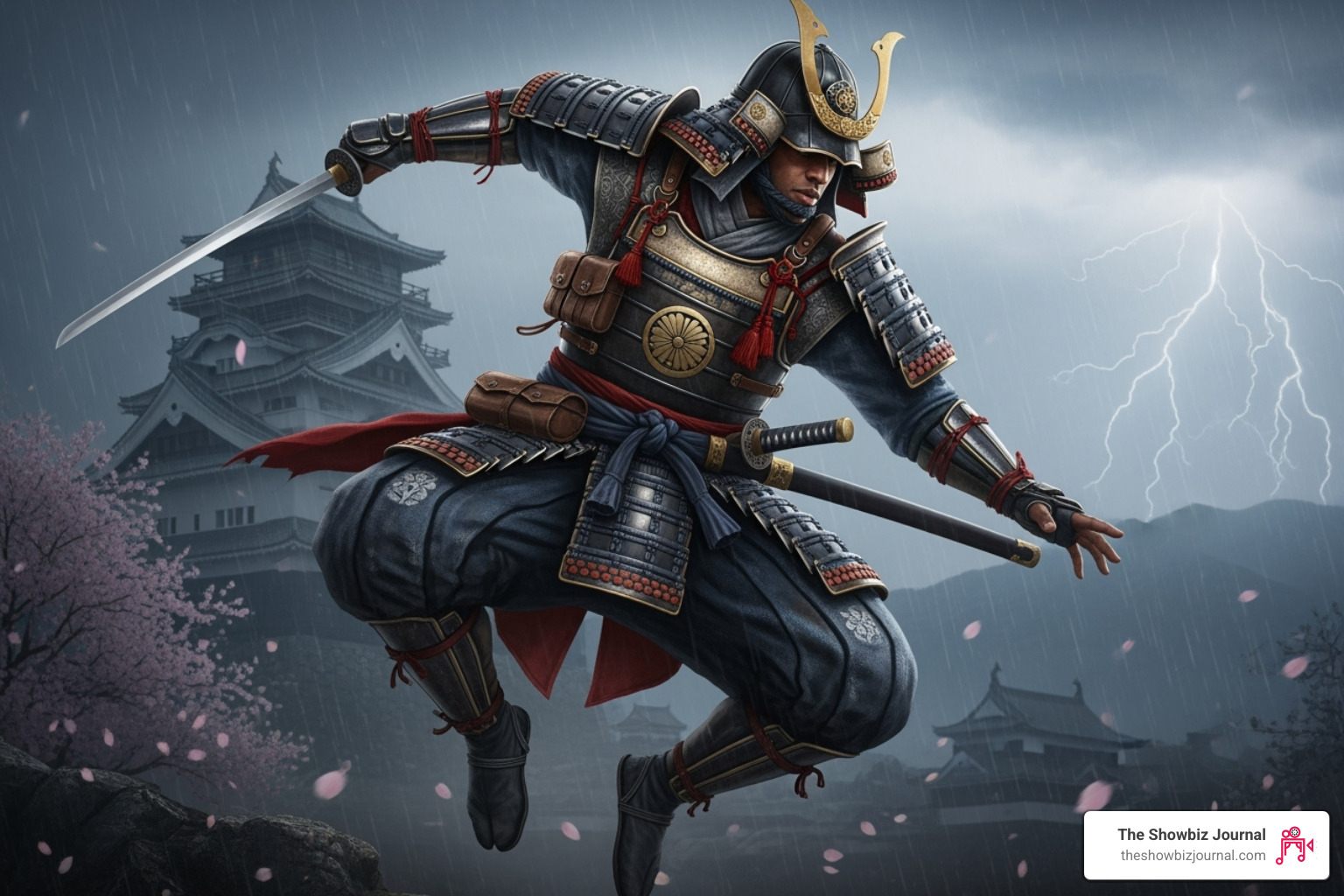
But Yasuke isn’t just making waves in video games. His story has found its way into all sorts of media! Think about the Netflix anime series, simply called Yasuke. It beautifully blends historical facts with some truly imaginative elements, even magic and mechs! He’s also popped up in other video games, like the ‘Nioh’ series. And let’s not forget, there was even a highly anticipated film planned to star the late, great Chadwick Boseman. While that project sadly didn’t happen, it showed just how much Hollywood was interested in bringing his compelling story to the big screen.
The Legacy from Feudal Japan to Hollywood, CA
Yasuke’s journey from a warrior in feudal Japan to a global icon today is nothing short of remarkable. His tale truly resonates with people. It’s a powerful story about cultural exchange, about overcoming barriers, and about achieving something extraordinary in a faraway land. For our vibrant communities in Hollywood, CA, and Anaheim, CA, where we love diverse and captivating stories, Yasuke’s narrative is a perfect fit. It offers a unique mix of historical mystery and inspiring themes.
His story goes beyond just being good entertainment. It’s a strong cultural statement. It touches on big ideas like identity, belonging, and that universal human desire to be recognized and have purpose. As we at The Showbiz Journal continue to shine a light on diverse voices and narratives, Yasuke stands out. He’s a true barrier-breaking figure, and his legacy inspires creators and audiences alike. His story reminds us that history is full of unexpected heroes. And it highlights the important role the entertainment industry plays, from our busy studios in Hollywood to the creative hubs in Anaheim, in bringing these forgotten tales back to life. Want to read more? You can always find More on entertainment news right here on our platform.
The Final Chapter and Enduring Legacy
After the dramatic and heartbreaking events of the Honnō-ji Incident, Yasuke’s clear historical trail begins to fade, almost as if he stepped out of the spotlight and into the mists of time. It’s a mystery that has captivated historians and storytellers for centuries!
Following the tragic death of his lord, Oda Nobunaga, Yasuke didn’t give up. He bravely joined Nobunaga’s son, Oda Nobutada, trying to defend against the relentless forces of Akechi Mitsuhide. But the tide of battle was against them. When Nobutada was also defeated, Yasuke, with nowhere else to turn, surrendered to Mitsuhide’s victorious troops.
Now, here’s where things get truly interesting. Instead of facing the blade, Mitsuhide did something remarkable: he spared Yasuke’s life! Imagine the surprise. Historical accounts suggest Mitsuhide’s reasoning was that Yasuke was not Japanese and therefore shouldn’t be executed as a samurai would be. Some historians speculate this might have been a clever move by Mitsuhide, hoping to gain favor with the Jesuit missionaries. Others suggest a more unsettling reason, that Mitsuhide viewed Yasuke as an “animal” – a foreign curiosity not worthy of a warrior’s death. Whatever the true motive, it was a decision that saved Yasuke’s life, and he was ordered to be taken to a Jesuit mission house.
What happened to Who is Yasuke after he arrived back with the Jesuits remains one of history’s great, unsolved puzzles. The records go silent. There are no definitive historical documents detailing his life after this point. While some whispers and hints suggest a tall African man might have been seen in Japan during the 1590s, these sightings are unconfirmed and largely speculative. His ultimate fate is unknown, leaving his incredible story tantalizingly open-ended and providing fertile ground for all those modern interpretations we see today.
Despite his mysterious disappearance from the historical record, Yasuke’s significance simply cannot be overstated. He stands as a powerful symbol of cultural exchange, a living testament to the surprising global connections that existed even in feudal Japan. His journey offers us a truly unique window into Japan’s Sengoku period, showing a society that, while often seen as isolated, was in fact capable of embracing and integrating individuals from wildly different backgrounds, even bringing them into the highest levels of power and status.
Yasuke’s life challenges our understanding of history, reminding us that the past is far more diverse and interconnected than we often imagine. His story continues to inspire creators and audiences globally, from the busy studios of Hollywood to the creative hubs in Anaheim, proving that some tales from long ago still resonate deeply today. It’s a powerful narrative of resilience, identity, and the enduring human spirit that continues to captivate us all.
Conclusion
The journey to uncover Who is Yasuke has been quite the trip, hasn’t it? We’ve traveled from the mysterious arrival of a real African man in 16th-century Japan, right through to his surprising resurgence in today’s pop culture. It’s truly a story that bridges centuries and continents.
What we’ve learned is that Yasuke was far more than just a footnote in history. He was a figure of immense fascination, someone who captivated the powerful Oda Nobunaga himself. While some parts of his life remain shrouded in historical mystery, the records confirm he was a trusted warrior, a confidant, and a living symbol of Nobunaga’s surprisingly progressive vision for his era. He definitely wasn’t just an attendant!
His story, though brief in the historical documents, has left an absolutely massive impact, especially in the entertainment world. From the buzz around ‘Assassin’s Creed Shadows’ to the creative depths of the Netflix anime series, Yasuke continues to inspire new narratives and spark lively discussions. It’s a testament to how deeply his tale resonates across cultures and generations.
This isn’t just a historical anecdote; it’s a global phenomenon that finds a special home with our audiences right here in Hollywood and Anaheim. We at The Showbiz Journal love bringing you these compelling stories, bridging the gap between fascinating historical facts and the exciting world of modern entertainment. Yasuke’s life reminds us that history is incredibly rich and complex, filled with extraordinary individuals whose legacies continue to shape how we see the world.
Ready for more groundbreaking tales? You can explore more groundbreaking stories in entertainment right here with us.

About the author
Annelise Sylta
Annelise Sylta is a member of the editorial staff at The Showbiz Journal. She holds an MBA from FIDM and brings a professional background in marketing, communications, branding, and audience engagement to her work with the publication. Her experience provides an additional perspective on the intersection of entertainment, culture, media, and contemporary lifestyle.
Up next