Step Up Your Style: Iconic 90s Rave Outfits for Men
Dive into 90s rave outfit men's style! Explore iconic looks, essential gear, and tips to rock the dance floor in Hollywood & Anaheim.

Why 90s Rave Fashion Still Rules the Dance Floor
90s rave outfit men were all about one thing: total freedom of expression through bold, comfortable style that let you dance until sunrise. The look was defined by baggy pants, oversized graphic tees, neon colors, and accessories that screamed individuality – from bucket hats to Kandi bracelets.
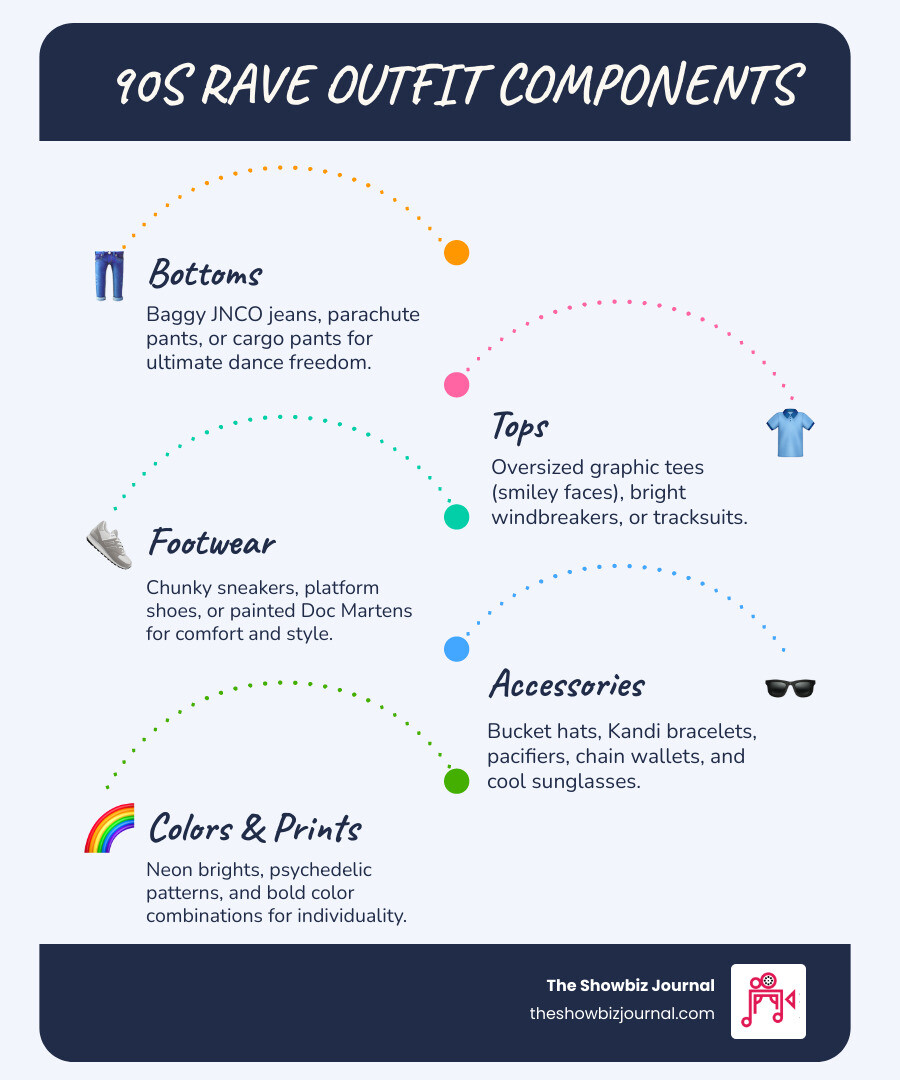
Essential 90s Rave Outfit Components for Men:
- Bottoms: JNCO jeans, parachute pants, or baggy cargo pants
- Tops: Oversized graphic tees (especially smiley faces), windbreakers, or tracksuits
- Footwear: Chunky sneakers, platform shoes, or painted Doc Martens
- Accessories: Bucket hats, Kandi bracelets, pacifiers, chain wallets, sunglasses
- Colors: Neon brights, psychedelic prints, and bold color combinations
The 90s rave scene wasn’t just about the music – it was a cultural movement built on PLUR (Peace, Love, Unity, Respect) that rejected mainstream fashion rules. As one former raver from the era recalled, “there was no such thing as doing too little or too much” when it came to your outfit, as long as it was “bright and positive.”
From the underground warehouse parties that once pulsed through Hollywood and Anaheim to today’s massive festivals, this aesthetic has never really gone away. The DIY spirit and anti-establishment vibe that defined 90s rave culture continues to influence streetwear and festival fashion across Southern California.
I’m Jonas Muthoni TSJ, and as someone who’s tracked entertainment and lifestyle trends for years, I’ve watched the 90s rave outfit men aesthetic evolve from underground rebellion to mainstream inspiration. Through my work covering celebrity culture and fashion trends, I’ve seen how this iconic style continues to shape what we wear to festivals and clubs today.
The Heart of the Rave: Understanding the 90s Vibe
Picture walking into a dimly lit warehouse in Hollywood back in 1992. The bass is thumping, neon lights are flashing, and everyone around you is dressed in the most gloriously clashing colors you’ve ever seen. But here’s the thing – nobody’s judging anyone’s outfit choices. In fact, they’re celebrating them. That’s because 90s rave outfit men weren’t just throwing on random bright clothes; they were part of something much bigger.
At the heart of it all was PLUR – Peace, Love, Unity, and Respect. This wasn’t just some feel-good slogan plastered on t-shirts (though it was that too). PLUR was the soul of the entire movement, creating a space where you could express yourself however you wanted without fear of judgment.
The magic happened when this philosophy met the music. Acid house had crossed the pond from England, bringing with it those hypnotic, pulsating beats that seemed designed to make you move. The influence of techno and house music on fashion was immediate and practical – if you’re going to dance for eight hours straight, you need clothes that move with you.
This is where the DIY culture really shined. Since you couldn’t exactly walk into a mall and buy a “rave outfit,” people got creative. They’d take regular clothes and transform them – adding patches, painting designs, or just mixing the most unlikely color combinations. It was all about rebellion against mainstream fashion rules.
The Southern California rave scene took this spirit and ran with it. In Hollywood and Anaheim, underground parties became laboratories for self-expression. Local ravers would spend hours putting together looks that told their personal story through fabric and color.
What made it special was the community aspect. Everyone was in on the secret – from the word-of-mouth invitations to the shared understanding that Saturday night meant freedom to be whoever you wanted to be. The baggy jeans and oversized shirts weren’t just comfortable for dancing; they were a visual rejection of the tight, restrictive styles that came before.
This wasn’t fashion for fashion’s sake. It was fashion as a form of freedom.
The Essential 90s Rave Outfit Men’s Checklist
Now that we understand the spirit behind the style, let’s break down the core components that made up the quintessential 90s rave outfit men wore. This section dives into everything from foundational clothing to the essential accessories that defined an era of dance in Southern California.

The Foundation: Tops & Bottoms
Building the perfect 90s rave outfit men started with one golden rule: comfort came first, style came second. But somehow, following this rule created one of the most distinctive looks in fashion history.
Baggy jeans and wide-leg pants were the absolute foundation of any authentic rave look. The motto was simple – “the phatter the pants, the better.” Brands like JNCO and UFO became legendary for their impossibly wide legs that practically swallowed your shoes. These weren’t just fashion statements; they served a real purpose on those packed dance floors in Hollywood warehouses and Anaheim venues.
When you were shuffling for hours, tight jeans just wouldn’t cut it. The baggy silhouette created this amazing “floating” effect that made every dance move look effortless. Plus, they were a bold rejection of the fitted styles that came before – a visual middle finger to mainstream fashion.
Oversized graphic t-shirts were your canvas for self-expression. The iconic smiley face became the unofficial logo of the scene, especially tied to acid house music. But ravers didn’t stop there – psychedelic prints, abstract designs, and even simple plain white tees all had their place. The key was that everything had to be at least two sizes too big.
Windbreakers and tracksuits brought both practicality and style to the mix. Picture those vibrant, color-blocked designs that seemed to glow under the strobe lights. They kept you warm during those chilly early morning hours when the party was still going strong, while adding another layer of bold color to your look.
The influence of sportswear logos can’t be overstated. Adidas, Nike, Polo, Nautica, and Tommy Hilfiger weren’t just brands – they were badges of honor. This trend of mixing athletic wear with rave culture laid the groundwork for the streetwear scene that still dominates Hollywood and Anaheim today.
Footwear for Hours of Dancing
Your feet were your most important investment at any rave. After all, what good was the perfect outfit if you couldn’t dance in it all night?
Chunky sneakers ruled supreme for obvious reasons. Brands like Adidas, Nike, Reebok, and Etnies provided the cushioning and support your feet desperately needed during those marathon dance sessions. Comfort and durability weren’t just nice-to-haves – they were survival essentials.
Platform shoes made their mark too, especially among ravers influenced by the club kid aesthetic. While less common for men, those who rocked them often painted them in neon colors that practically glowed in the dark. They added height and an unmistakable edge to any outfit.
Doc Martens brought a rebellious punk influence to the rave scene. The best part? Ravers would customize them with bright paint jobs that transformed these traditionally dark boots into canvases of color. The choice ultimately came down to your personal dance style and what felt best during those long nights at local Southern California venues.
Accessorize to Maximize: The Finishing Touches
This is where 90s rave outfit men really came alive. Accessories weren’t just add-ons – they were essential elements that turned a simple outfit into a complete rave persona.
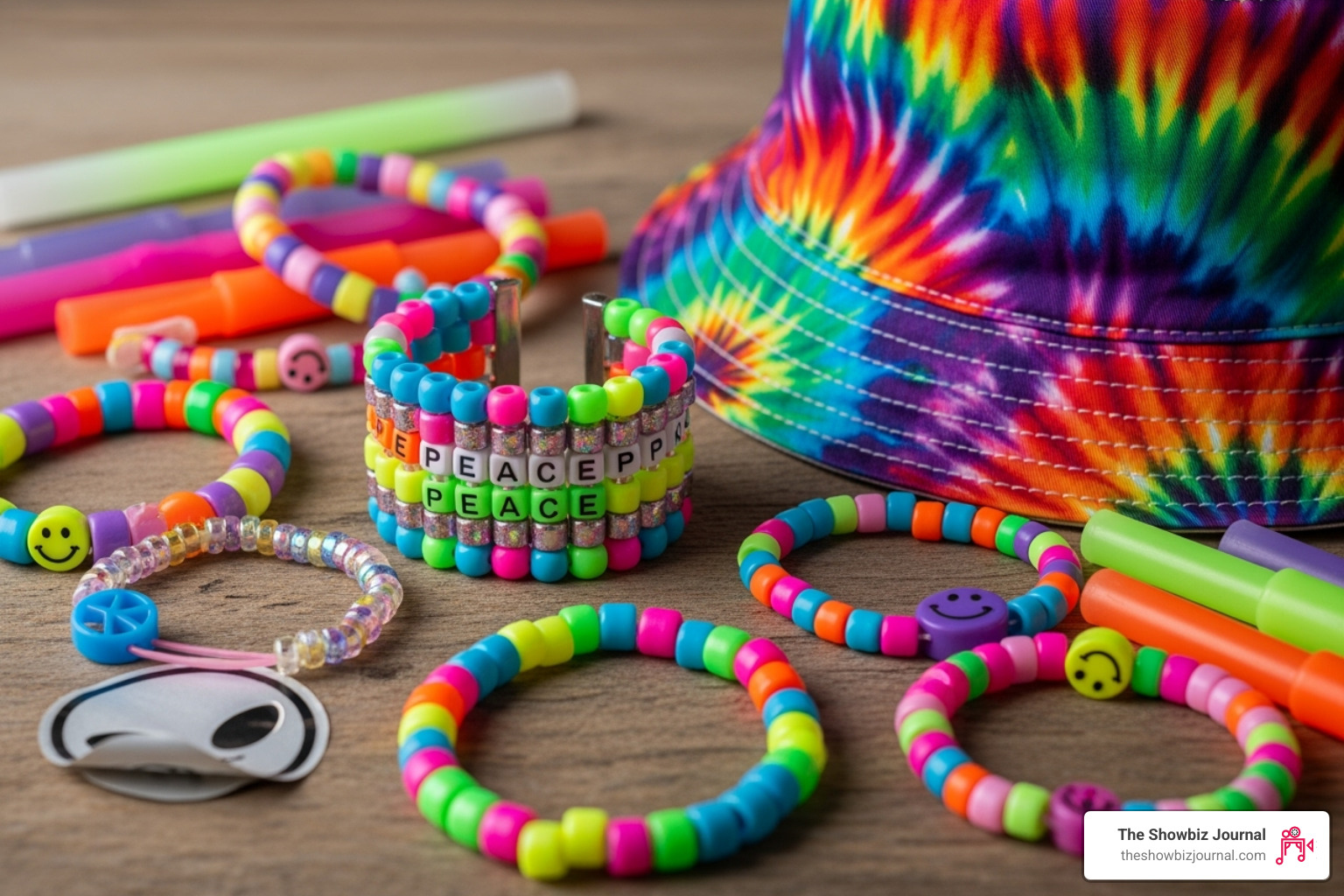
Bucket hats were everywhere, providing sun protection for outdoor raves while adding that undeniable cool factor. Visors served a similar purpose, keeping sweat out of your eyes while giving you that futuristic, sporty edge.
Kandi bracelets held the deepest meaning of any accessory. These handmade, brightly colored beaded creations were more than jewelry – they were currency of friendship. Trading Kandi with fellow ravers was a sacred ritual that embodied the PLUR spirit. Each bracelet told a story and created connections that lasted long after the music stopped.
Pacifiers might seem strange now, but they served a practical purpose while becoming an iconic symbol of the era. Chain wallets added a punk-rock edge while keeping your cash secure during energetic dancing. Sunglasses weren’t just for looking cool (though they definitely did that) – they protected your eyes from intense strobe lights and added an air of mystery to your look.
Fanny packs were the ultimate practical accessory, keeping your essentials secure and accessible while you danced. And let’s not forget glow sticks and LED accessories – these created mesmerizing light shows that improved the entire rave experience. You’d spot these glowing accessories lighting up the night at every Hollywood and Anaheim event, turning dancers into walking art installations.
Building Your Authentic Look Today
The enduring appeal of the 90s rave aesthetic means it’s more than just a historical footnote; it’s a vibrant source of inspiration for today’s fashion. Whether you’re aiming for a complete throwback or a subtle nod, we’ve got actionable tips for building your 90s rave outfit men style, with a focus on local sourcing in Southern California.
The Full Throwback: Nailing the Head-to-Toe 90s Rave Outfit Men’s Style
If you’re ready to dive headfirst into the full 90s vibe, getting the details right is super important. Think of it like putting together a puzzle, where every piece adds to that iconic look. It’s all about creating an authentic 90s rave outfit men would have rocked back in the day.
A big part of the look was layering. Imagine an oversized graphic tee worn over a long-sleeved mesh shirt. Or maybe a cool windbreaker on top of a tank top. This wasn’t just about looking good; it helped you stay comfy as you danced through the night. You could add or remove layers as the party got hotter!
Then there’s the color. The 90s rave scene loved bold color clashing and neon palettes. Don’t be shy! Accept bright, almost fluorescent colors. Mix and match hues that might seem a little wild. The brighter and bolder, the better! You also saw a lot of psychedelic prints. These were swirly, abstract designs that seemed to move and vibrate. You’d find them on shirts, pants, and even accessories, really adding to that trippy, immersive rave atmosphere.
Now, where do you find these treasures? Sourcing vintage in Southern California is an trip! Your best bet for truly capturing that era is to explore local thrift stores and vintage shops right here in Hollywood and Anaheim. You might even find some gems online. Keep an eye out for brands like JNCO, UFO, and Kikwear, which were huge back then. Don’t forget classic sportswear brands too! Many original ravers made their own clothes, so don’t be afraid to get creative and customize your finds.
Want some inspiration for a full 90s rave outfit men could wear today, using pieces you can find right here in Southern California? Here are a few ideas:
-
The Classic Shuffler:
- Bottoms: Oversized, wide-leg JNCO-style jeans (look for them in vintage shops or modern interpretations).
- Top: A bright yellow oversized t-shirt featuring a large black smiley face.
- Footwear: Chunky white Adidas sneakers.
- Accessories: A neon green bucket hat, a chain wallet, and a handful of Kandi bracelets.
-
The Psychedelic Dancer:
- Bottoms: Baggy cargo pants with a subtle galaxy print or abstract pattern.
- Top: A vibrant, color-blocked windbreaker in neon pink, blue, and black, worn over a plain black tank top.
- Footwear: Black Doc Martens, perhaps with neon laces.
- Accessories: A pair of narrow, reflective sunglasses, a fanny pack with a trippy design, and a few glow sticks.
-
The Sporty Raver:
- Bottoms: A pair of oversized tracksuit bottoms, preferably with side stripes, in a bold color like electric blue.
- Top: An oversized vintage Tommy Hilfiger or Nautica polo shirt, unbuttoned.
- Footwear: Classic Nike Air Max sneakers.
- Accessories: A backward baseball cap (perhaps a vintage sports team), a simple Kandi necklace, and a practical cross-body bag.
A Modern Twist on the Classic Style
Maybe you love the 90s vibe but don’t want to go full retro every day. That’s totally fine! Incorporating just a few elements of a 90s rave outfit men wore into your current wardrobe is a fantastic way to pay tribute to the era while still looking fresh.
Sometimes, incorporating one key piece is all you need. Grab a cool vintage windbreaker, a pair of modern wide-leg pants, or even that classic bucket hat. Any one of these can instantly give your look a fun 90s rave feel without overdoing it.
If neon isn’t quite your thing, try toning down the colors. You can still rock those awesome 90s silhouettes, but choose more muted shades. Think baggy black jeans or dark wash denim paired with a subtle graphic tee. You’ll still capture the essence without the super bright colors.
And here’s a great tip: try pairing baggy pants with modern tops. Those iconic wide-leg pants look amazing with a more fitted, contemporary t-shirt or a stylish hoodie. This creates a balanced, streetwear-inspired look. It really shows how the comfort-first idea of 90s rave fashion continues to influence the casual clothes we wear today.
It’s no surprise that modern festival fashion in Hollywood and Anaheim takes so much inspiration from these roots. Even though today’s festivals might have huge stages and all kinds of music, the main ideas are the same: comfort, self-expression, and bright, bold clothing. Local music and fashion trends across Southern California often mix vintage rave elements with current streetwear. This makes it super easy to add this iconic style to your everyday look or your next festival trip!
From Underground Warehouses to Hollywood Mainstream
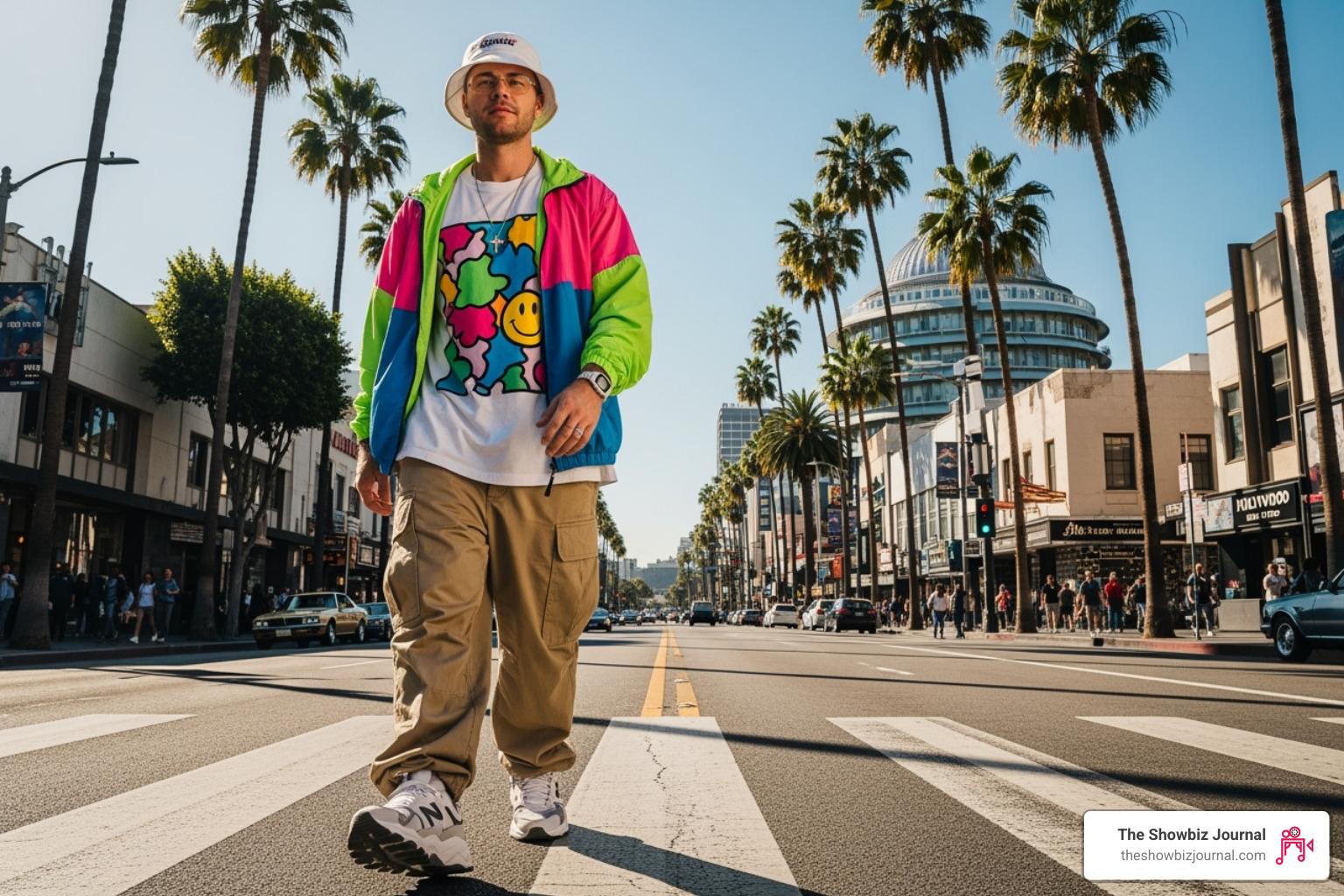
The change of the 90s rave outfit men wore from secret warehouse gatherings to red carpet appearances is one of fashion’s most fascinating evolution stories. What began as an underground movement in dimly lit venues across Hollywood and Anaheim has now become a major influence shaping how we dress today.
The influence on streetwear is impossible to ignore when you walk down Melrose Avenue or through downtown Anaheim. Those baggy silhouettes that once filled underground dance floors now dominate high-end fashion collections. The oversized graphic tees, chunky sneakers, and sportswear elements that defined the rave scene have become the backbone of contemporary street fashion.
Luxury designers regularly raid the 90s rave playbook, borrowing its comfort-first approach and vibrant aesthetic for their latest drops. The same wide-leg pants that once swished across warehouse floors in Hollywood now retail for hundreds of dollars in Beverly Hills boutiques. It’s pretty wild when you think about how a grassroots movement born from rebellion has become the inspiration for mainstream fashion houses.
90s nostalgia has taken over modern entertainment, especially in Movies and TV shows. While not every production directly showcases rave culture, you’ll spot characters sporting those familiar oversized windbreakers, bucket hats, and baggy jeans that scream 90s authenticity. This nostalgic wave keeps the aesthetic alive for new audiences who never experienced the original scene.
The legacy in festival culture is perhaps where 90s rave fashion shines brightest today. Walk through any major music festival in Anaheim’s event scene or the Hollywood Bowl area, and you’ll see the direct DNA of 90s rave style everywhere. The emphasis on comfortable clothing for dancing, vibrant self-expression, and creating a communal atmosphere traces straight back to those original PLUR principles.
Celebrities rocking 90s styles throughout Southern California have been crucial in keeping this aesthetic relevant. From A-listers spotted in vintage JNCOs while grabbing coffee in West Hollywood to musicians accepting neon windbreakers at Coachella, celebrity influence has transformed underground rave wear into aspirational fashion.
The beautiful irony is that a movement built on rejecting mainstream culture eventually became the mainstream itself. But rather than losing its soul, the 90s rave outfit men aesthetic has evolved while maintaining its core message of freedom, comfort, and unapologetic self-expression. Whether it’s a teenager in Anaheim finding wide-leg pants for the first time or a Hollywood stylist pulling vintage rave pieces for a photo shoot, the spirit of those underground warehouse parties lives on.
Frequently Asked Questions about 90s Rave Fashion
You know, after covering fashion and entertainment trends for years, I’ve noticed that certain questions about 90s rave outfit men styles keep coming up. Whether you’re curious about the culture behind the clothes or wondering how to rock these looks today, let’s dive into the most common questions that cross my desk.
What is PLUR and why was it important in 90s rave culture?
PLUR stands for Peace, Love, Unity, and Respect – and trust me, this wasn’t just some trendy hashtag before hashtags existed. It was the beating heart of everything that made the 90s rave scene special, especially at those legendary Hollywood and Anaheim underground parties.
Think of PLUR as the social contract that made strangers feel like family on the dance floor. It encouraged ravers to look out for each other, share water when someone was overheating, and create genuine connections beyond the music. This philosophy shaped everything from how people interacted to how they dressed – there was an unspoken understanding that everyone deserved respect, regardless of their background or how wild their outfit was.
The beauty of PLUR was how it transformed warehouse spaces and outdoor venues into safe havens where kindness ruled. It’s what made the 90s rave scene so memorable and why many veterans of those early Hollywood and Anaheim events still speak about it with such fondness today.
Why were baggy clothes so popular for a men’s 90s rave outfit?
Here’s the thing about dancing for eight hours straight – you need clothes that move with you, not against you. Baggy clothes like those iconic wide-leg jeans and oversized shirts weren’t just a fashion statement; they were pure practicality wrapped in rebellion.
Try shuffling or doing liquid dance moves in skinny jeans – it’s basically impossible. Those loose-fitting pants gave ravers the freedom to express themselves physically without any restrictions. Plus, the oversized silhouette created this amazing visual effect on the dance floor, making movements look more fluid and dreamlike under the strobing lights.
But there was also a deeper meaning behind all that extra fabric. The baggy aesthetic was a deliberate middle finger to mainstream fashion’s obsession with fitted, structured clothing. It represented a rejection of corporate dress codes and societal expectations. When you threw on those massive JNCO jeans, you were essentially saying, “I’m here to dance, not to impress your boardroom.”
Can I wear 90s rave fashion to a modern festival?
Absolutely, and you’ll probably get tons of compliments! The 90s rave outfit men aesthetic has become a major inspiration for modern festival wear throughout Hollywood and Anaheim’s music scene. The comfort-first philosophy and bold self-expression that defined those early raves fit perfectly with today’s festival culture.
You’ve got options here. Go full authentic with the complete neon-bright, baggy-pants ensemble, or pick and choose elements that speak to you. Maybe it’s just a vintage windbreaker thrown over your regular festival gear, or some handmade Kandi bracelets that you trade with new friends. Even something as simple as a classic bucket hat can instantly connect your look to rave history.
Modern festivals celebrate creative fashion expression, and the 90s rave aesthetic delivers exactly that – comfort for long days of dancing, bold colors that photograph amazingly, and a sense of community that goes beyond just looking good. Plus, you’ll be honoring the roots of electronic dance music while staying perfectly on-trend with today’s throwback fashion movement.
Conclusion
The 90s rave outfit men wore wasn’t just about looking good—it was about feeling free. These vibrant, comfortable ensembles became the uniform of a generation that dared to dance differently, love openly, and express themselves without limits.
What started in underground warehouses across Hollywood and Anaheim has left an enduring legacy that continues to pulse through today’s fashion scene. The timeless cool of baggy jeans, neon windbreakers, and Kandi bracelets proves that true style transcends decades. These pieces weren’t just trendy—they represented something deeper: a community built on PLUR and the belief that fashion should serve joy, not conformity.
Today, whether you’re stepping into a themed party in Anaheim or crafting your festival look for a Hollywood event, the 90s rave aesthetic remains as relevant as ever. It’s a powerful symbol of freedom and community that speaks to our ongoing desire for authentic self-expression through what we wear.
The beauty of this style lies in its accessibility and adaptability. You might go full throwback with head-to-toe neon, or simply add a vintage bucket hat to your modern outfit. Either way, you’re tapping into a cultural movement that celebrated individuality and brought people together on dance floors across Southern California.
As we’ve seen throughout this guide, the influence of 90s rave fashion extends far beyond its original underground roots. From streetwear collections to celebrity wardrobes, these bold choices continue to inspire new generations of fashion rebels and music lovers alike.
We at The Showbiz Journal love exploring how pop culture movements like this continue to shape our world today. The 90s rave scene reminds us that the most enduring trends often come from the most authentic places—communities of people who simply wanted to dance, connect, and be themselves.

About the author
Annelise Sylta
Annelise Sylta is a member of the editorial staff at The Showbiz Journal. She holds an MBA from FIDM and brings a professional background in marketing, communications, branding, and audience engagement to her work with the publication. Her experience provides an additional perspective on the intersection of entertainment, culture, media, and contemporary lifestyle.