
Rising Threat of Brain Stroke: Global Concerns and Preventive Measure
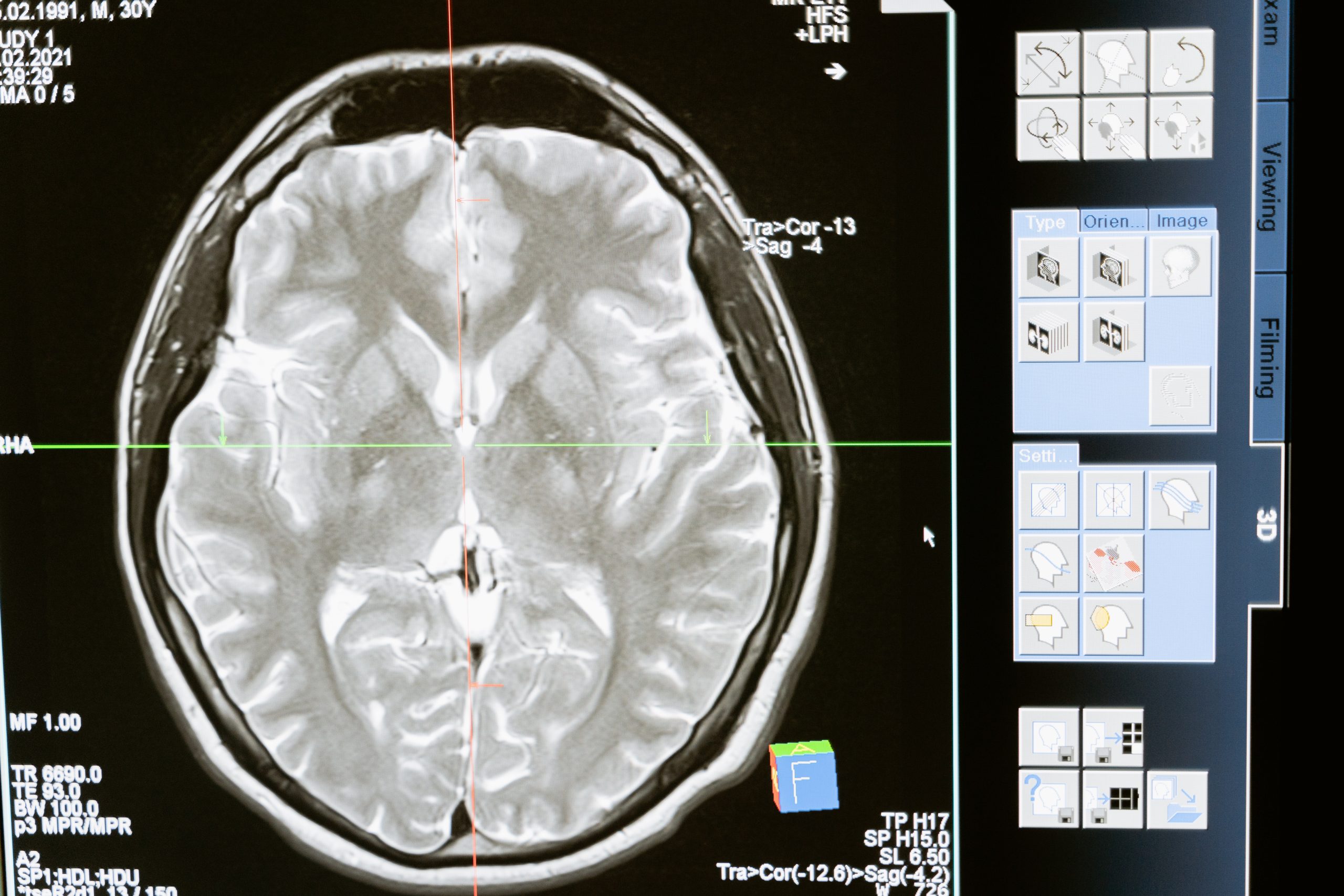
- Projected 50% increase in stroke deaths by 2050.
- Majority of the cases expected in low and middle-income countries.
- India, Indonesia, and Bangladesh are among the hardest hit.
Alarming Statistics
Recent comprehensive research from the World Stroke Organization-Lancet Neurology Commission reveals a worrying trend in global health. It’s estimated that worldwide, brain stroke fatalities could surge by half, potentially reaching a staggering 10 million by 2050. Alarmingly, a large portion of these incidents is expected to occur in nations with low to middle incomes.
Disability Concerns
The study also forecasts a corresponding rise in disability rates due to strokes. By 2050, an estimated 190 million disability-adjusted life years, encompassing both years of life lost and years living with disability caused by strokes, will be recorded. This metric indicates a growth of approximately 30% from current figures.
Research Methodology
For the study, 12 stroke experts from diverse economic backgrounds participated in comprehensive interviews. Factors such as ageing, population growth, and varying stroke risk profiles across nations were considered. A rigorous qualitative analysis of these interviews revealed:
- Challenges in monitoring, defense, treatment, and recovery.
- Low awareness of brain strokes and associated risk factors, including obesity, poor diet, and smoking.
Recommendations for Global Health
The researchers proposed several evidence-based recommendations to alleviate the global stroke burden. Some of these suggestions include:
- Enhancing stroke surveillance methodologies.
- Focusing on preventive measures, emphasizing lifestyle modifications.
- Strengthening acute care and rehabilitation processes.
Understanding Brain Stroke
When a brain stroke occurs, it’s essentially a disruption in the blood flow to a section of our brain or an internal bleed. Without the necessary oxygen and nutrients, our brain cells begin to perish. The aftermath of a stroke on an individual can vary widely. Factors such as the type of stroke, its severity, the specific region of the brain impacted, and the speed of medical intervention play a crucial role in determining the outcomes.
Types of Strokes
- Ischemic Strokes: These are caused by blood clots or obstructions in brain vessels. They might not always result in instant death. The extent of affected brain tissue and neurological issues depend on the clot’s size and location.
- Hemorrhagic Strokes: More severe in nature, these are due to blood artery ruptures in or near the brain. Outcomes are majorly determined by the bleeding’s scale and site. Rapid deterioration is possible with significant hemorrhages, but milder ones might offer a longer window for medical intervention.
Prevention is Better than Cure
Several lifestyle and medical interventions can notably reduce stroke risks. Some essential preventive measures include:
- Managing hypertension, the prime risk factor.
- Regularly monitoring and controlling diabetes.
- Quitting smoking to considerably decrease stroke risks.
- Moderating alcohol consumption.
- Employing stress-reducing techniques like relaxation exercises and yoga.
Global Economic Impact
The financial implications of strokes are massive. In 2017, the global cost due to strokes was estimated at $912.1 billion. This figure is expected to rise to a staggering $1.59 trillion by 2050. These expenses comprise both direct medical care costs and indirect losses due to premature deaths and disabilities.
The Role of Public Awareness
Public awareness is a pivotal aspect of curbing the rise in brain stroke incidents. Misinformation or lack of knowledge about the risks, symptoms, and preventive measures can lead to delayed medical intervention or a lack of proactive health choices. Several campaigns have been launched globally to bolster public understanding and foster a culture of early detection and intervention. Digital platforms, community workshops, and healthcare outreach programs play a significant role in these endeavors.
Technological Advancements in Treatment
Innovations like wearable devices that monitor vital health metrics can preemptively warn individuals about potential stroke triggers. Collaborative efforts between tech industries and medical experts are crucial for further advancements in this sphere.
Conclusion
The rise in brain stroke incidents is undoubtedly a global health concern. Collective efforts from governments, health organizations, and individuals are required to address this escalating crisis. Educating populations about brain stroke risks and preventive measures is the need of the hour.

About the author
Ashley Waithira
Ashley is skilled in various creative roles and loves teaming up with others. She has a communications degree which helps her share stories and make brand promotions exciting using fresh ideas and facts. Being young, she knows how to use social media fully. Ashley is hardworking, detail-oriented, and organized. Plus, she's a big Beyoncé fan.