A Comprehensive Guide to Luxury Fashion Trends of the Year
Discover top luxury fashion trends for 2025—quiet luxury, tech, sustainability, and exclusivity. Elevate your style now!

Defining the New Era of Luxury Style
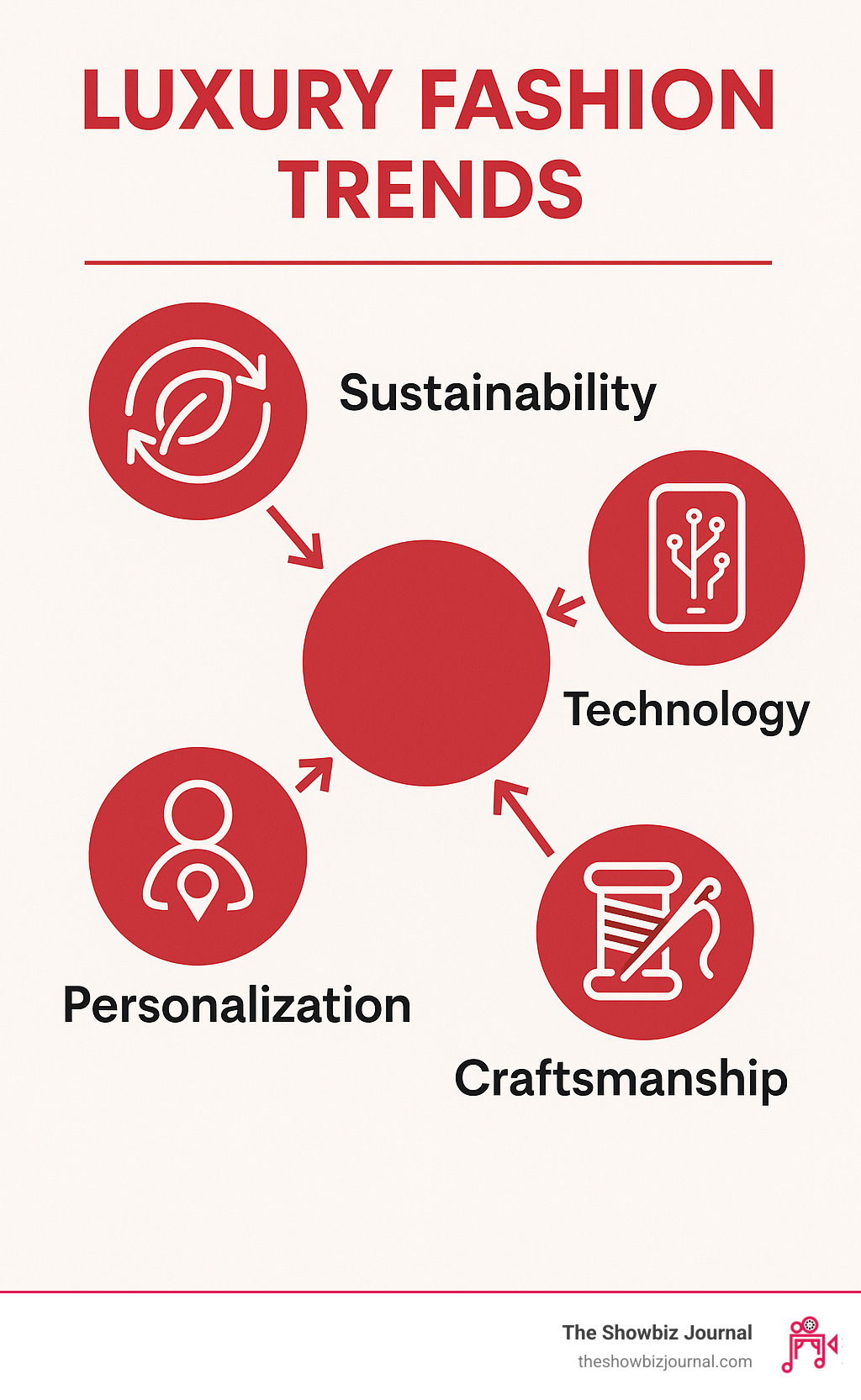
Luxury fashion trends in 2025 are defined by a dynamic fusion of timeless elegance and technological innovation. For those seeking a quick overview, here are the key trends shaping luxury fashion this year:
- Quiet Luxury: Understated elegance focusing on quality materials and craftsmanship rather than logos
- Sustainable Innovation: Bio-fabricated leathers, circular materials, and transparent supply chains
- Hyper-Personalization: AI-driven customization creating truly unique luxury experiences
- Neo-Vintage Revival: Modern interpretations of archival designs and retro silhouettes
- Artisanal Detailing: Hand embroidery and bespoke elements merging with cutting-edge techniques
- Digital Integration: AR/VR shopping experiences and metaverse fashion collections
The luxury fashion landscape in 2025 feels more vibrant and purposeful than it has in years. As the global luxury goods market approaches $370 billion, we’re witnessing a significant shift in what defines premium style.
Today’s luxury consumer values both heritage craftsmanship and forward-thinking innovation. The pendulum has swung from logo-centric displays to a more nuanced appreciation for quality, longevity, and personal expression.
“The mood in luxury fashion right now feels more dynamic than it has in years,” notes fashion editor Shawn Wallace. “It’s about balancing timeless investment pieces with playful, personality-driven items.”
This evolution reflects broader cultural shifts: sustainability is no longer optional but expected, technology improves rather than replaces the human touch, and inclusivity has become fundamental to luxury’s future.
I’m Jonas Muthoni TSJ, founder of The Showbiz Journal with over a decade covering luxury fashion trends across digital media, where I’ve documented the evolution from conspicuous consumption to today’s more mindful, tech-improved luxury landscape. As we explore the defining luxury fashion trends of 2025, we’ll uncover how these movements are reshaping not just what we wear, but how we experience and consume high-end style.
Luxury Fashion Trends 2025: What’s Defining the Year
As we dive into 2025, luxury fashion trends are evolving into something truly special – a beautiful dance between timeless elegance and forward-thinking innovation. This year’s high-end fashion landscape reflects a more mature market where quality, exceptional craftsmanship, and personal expression take center stage over flashy displays of wealth.

Quiet Luxury: The Subtle Side of Luxury Fashion Trends
The whispered elegance of quiet luxury continues to dominate in 2025, proving this isn’t just a passing trend but a fundamental shift in how we view high-end fashion. Often called “stealth wealth,” this approach celebrates understated sophistication through perfect tailoring, premium materials, and minimal branding.
“Quiet luxury is still alive and well,” shares luxury retail analyst April Hennig. “It’s not just about the biggest logo or expensive price tag—consumers crave authenticity and deeper connections with brands.”
What makes quiet luxury so captivating is its focus on the essentials: muted color palettes of sophisticated grays and creams, sumptuous cashmere and wool in timeless silhouettes, and impeccable tailoring with architectural elements that speak volumes without shouting. Brands like The Row, Loro Piana, and Brunello Cucinelli continue leading this movement with their dedication to craftsmanship over logos.
As one fashion insider recently quipped, “Luxury is Loro Piana cashmere. I won’t hear any different.” The staying power of this trend is particularly fascinating – what began as a response to economic uncertainty has blossomed into a permanent fixture for those who value longevity and quality over novelty.
Neo-Vintage Revival
There’s something magical happening in the neo-vintage space this year. Designers are falling in love with their own heritage all over again, diving deep into archives to breathe new life into iconic pieces from decades past.
“We’re seeing a fascinating revival of archival designs,” notes fashion historian Maria Chen. “But these aren’t exact replicas—they’re thoughtful reinterpretations that honor the past while embracing present needs.”
This trend brings us archival prints reimagined in modern proportions, retro silhouettes updated with technical fabrics, and heritage motifs given contemporary twists. The result? Pieces with heirloom appeal that still feel completely of-the-moment. Brands like Gucci, Prada, and Chloé have mastered this delicate balance, creating collections that feel both nostalgic and refreshingly current.
Lifted Sportswear: Active Inspirations in Luxury Fashion Trends
The marriage of luxury and athleticism has reached fascinating new heights in 2025. We’re seeing much more than basic athleisure – this is a sophisticated elevation of sporty elements through a luxury lens, creating what some are calling “quiet athluxury.”
“We’re witnessing an unprecedented convergence of sports and fashion,” explains sports marketing expert James Rivera. “Major luxury conglomerates are forming partnerships with sporting events that would have been unthinkable a decade ago.”
This Olympic year has particularly energized the trend, with custom cashmere joggers, silk polos with architectural details, and technical fabrics lifted through artisanal techniques appearing throughout high-end collections. LVMH’s historic Olympic sponsorship and decade-long Formula One partnership exemplify this shift, generating an impressive $7.9 million in earned media value according to industry reports.
What makes this trend so appealing is how it balances comfort with elegance, reflecting our changing lifestyles that demand versatility without sacrificing sophistication.
Jewel-Tone Glamour & Statement Color
While daytime luxury might whisper in neutrals, evening wear in 2025 is speaking up with rich, saturated color. Luxury fashion trends this year accept the drama of jewel tones – think emerald velvet, sapphire satin, and ruby red making stunning appearances on red carpets and at high-profile events.
“After years of neutrals dominating, there’s a palpable excitement around color,” says celebrity stylist Erica Wright. “Clients are requesting jewel tones for special occasions, particularly in luxurious textures like velvet and silk.”
This shift toward bold, high-impact eveningwear signals a move away from minimalism toward more expressive, personality-driven fashion choices. As one fashion editor recently declared: “Don’t Call It Quiet” – this is luxury that wants to be noticed, albeit in a sophisticated way, with monochromatic looks in bold hues and strategic metallic accents that improve color depth.
Artisanal Craft Meets Innovation
Perhaps the most fascinating development in 2025’s luxury fashion trends is the beautiful marriage between traditional craftsmanship and cutting-edge technology. This thoughtful fusion creates pieces that honor heritage techniques while pushing the boundaries of what’s possible.
“The most exciting luxury pieces today showcase this beautiful tension between human hands and technological innovation,” observes craftsmanship expert Thomas Keller. “It’s not technology replacing artisans—it’s technology enhancing what artisans can create.”
We’re seeing exquisite hand embroidery paired with 3D-printed accents, AI-designed patterns executed by master craftspeople, and traditional couture techniques applied to innovative, sustainable materials. Brands like Bottega Veneta and Loewe exemplify this approach, with their unwavering commitment to craftsmanship that thoughtfully incorporates modern techniques. The result? Pieces that feel both timeless and thoroughly of the moment.
For more insights on the celebrities shaping these trends, check out our celebrity updates section for the latest fashion moments from the stars driving these movements forward.
Sustainability & Technology: The Future Fabric of Luxury
In 2025, sustainability and technology have become inseparable from the definition of luxury. Far from being optional add-ons, these elements are now fundamental to how premium brands conceive, create, and distribute their products.

Planet-Positive Luxury
The days when sustainability was just a marketing buzzword are long gone. “Sustainable luxury has shifted from niche to the new standard,” notes environmental fashion consultant Emma Roberts. And you can see this change everywhere you look in the industry.
Today’s luxury consumer isn’t just interested in how a garment looks—they want to know its story. Where did the materials come from? Who made it? What happens at the end of its life? This curiosity has pushed brands to accept regenerative materials that actually restore ecosystems rather than depleting them.
The most exciting development might be the rise of bio-fabricated leathers. Made from mushrooms, pineapple, and other plant sources, these materials offer the luxurious feel of animal leather without the ethical or environmental concerns. When Stella McCartney debuted her Mylo™ handbag made from mushroom leather, it wasn’t just a fashion statement—it was a glimpse into luxury’s future.
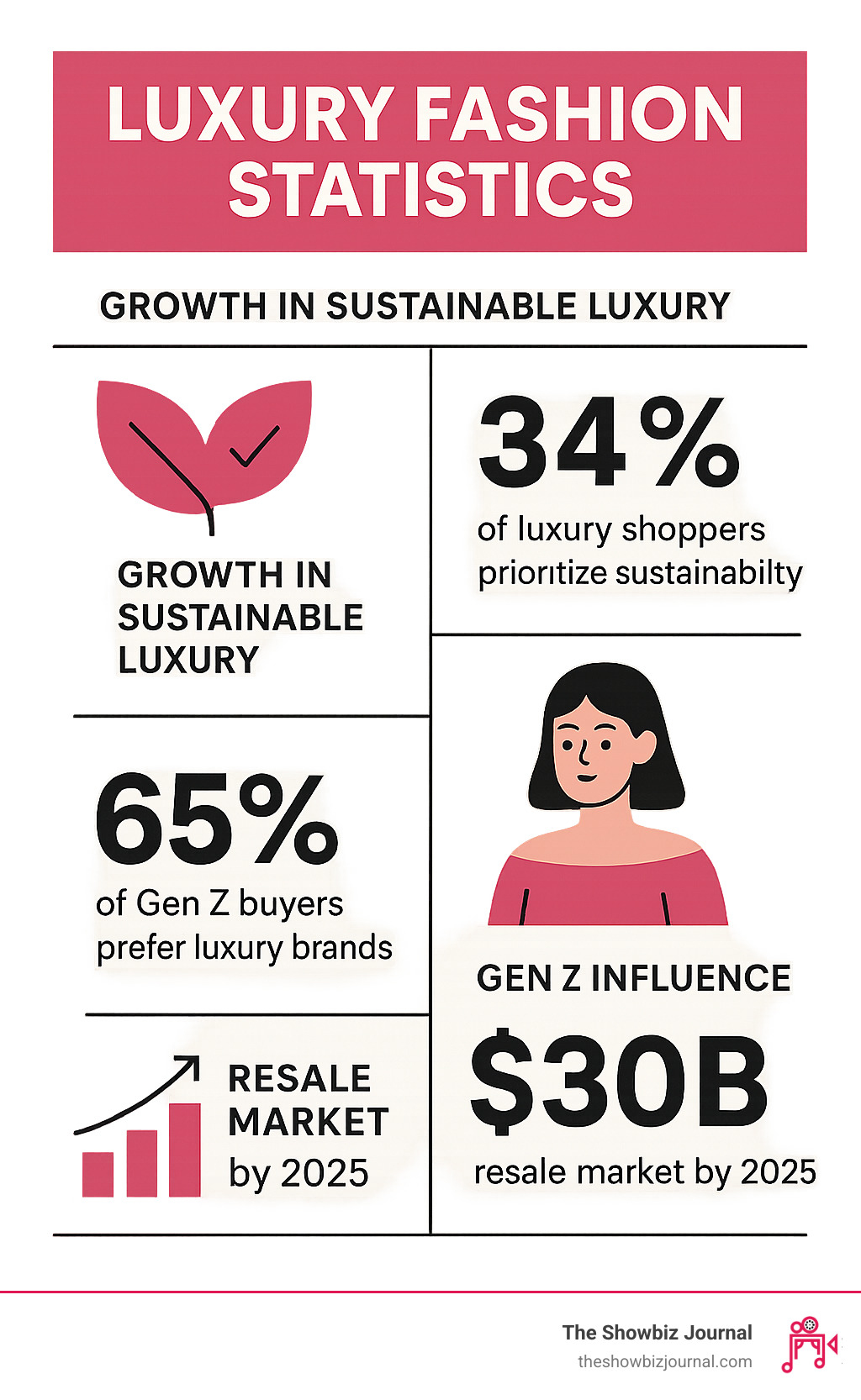
According to a recent Bain & Company report, 70% of global luxury consumers now willingly pay more for well-made, durable items with proven sustainability credentials. This isn’t just a passing trend; it’s a fundamental shift in what we value in luxury goods.
Net-zero targets have moved from aspirational to essential, with the most forward-thinking brands going beyond carbon neutrality to become carbon negative—actually removing more greenhouse gases than they emit. Even packaging has been re-imagined, with beautiful, reusable designs replacing single-use materials.
Smart Fashion & Wearable Tech
Technology is changing luxury fashion in ways that improve both the product and the experience of wearing it. The most brilliant tech integration in luxury items is often invisible—improving comfort, functionality, and durability without compromising on aesthetics.
Imagine a cashmere coat that subtly adjusts to keep you perfectly comfortable whether you’re stepping into a chilly evening or a heated restaurant. Temperature-adaptive textiles like these are no longer science fiction; they’re hanging in the closets of fashion-forward luxury consumers.
“The most successful tech integration in luxury is invisible,” explains fashion technologist Maya Patel. “It should improve the wearer’s experience without compromising aesthetics or comfort.”
The evolution of virtual showrooms has been particularly impressive. No longer just digital lookbooks, these spaces offer immersive experiences that capture the sensory aspects of luxury shopping. You can examine the grain of leather, watch how fabrics move, and even get a sense of how garments might feel—all from your living room.
For those who prefer physical retail, technology has transformed that experience too. AR fitting rooms allow you to try dozens of variations without changing clothes, while digital mirrors can suggest styling options based on your preferences and purchase history.
Hyper-Personalization Powered by Data
Perhaps the most significant technological impact on luxury fashion trends is the rise of hyper-personalization. The days of one-size-fits-all luxury are behind us, replaced by experiences and products customized specifically to individual preferences.
AI curation has become sophisticated enough to feel genuinely helpful rather than intrusive. These systems learn your style preferences, body type, and lifestyle needs, then filter the endless options down to those truly suited to you. The result is less overwhelm and more delight in finding the perfect pieces.
“Personalized marketing can increase customer engagement by up to 80%,” notes digital retail expert Jason Kim. “In luxury, this translates to deeper relationships and higher lifetime value.”
Every luxury item now comes with its own digital ID—a secure, blockchain-verified record of its provenance, materials, and journey. This technology has been transformative for both sustainability tracking and authentication in the resale market.
The most innovative brands have created entire loyalty ecosystems around personalization. These go far beyond points programs, offering exclusive experiences, early access to collections, and personalized services based on individual customer relationships.
According to industry data, 85% of luxury consumers now expect brands to use personalization technologies to offer more relevant shopping experiences. This expectation has pushed even the most traditional houses to accept digital innovation.
| Aspect | Heritage Craftsmanship | Tech-Driven Design |
|---|---|---|
| Materials | Natural, traditional (leather, silk, wool) | Bio-fabricated, technical, smart textiles |
| Production | Hand-crafted, artisanal techniques | AI-assisted, digital fabrication, 3D printing |
| Customization | Bespoke service, made-to-measure | Algorithm-driven personalization, digital fitting |
| Sustainability | Repair services, heirloom quality | Circular materials, digital product passports |
| Customer Experience | In-person consultations, white-glove service | AR/VR try-ons, digital styling, metaverse experiences |
What’s most fascinating is how these two worlds—heritage craftsmanship and technological innovation—aren’t competing but converging. The most exciting luxury pieces of 2025 draw from both columns, creating something entirely new yet timeless. For more insights on how sustainability pioneers like Stella McCartney are shaping the industry, check out this profile on her groundbreaking work, or explore our lifestyle section for more trends at the intersection of luxury and sustainability.
Personalization, Experience & Community in High-End Retail
The luxury shopping journey has evolved far beyond the transaction. In 2025, luxury fashion trends are as much about the experience and community as they are about the products themselves.
Exclusive Moments & Immersive Shows
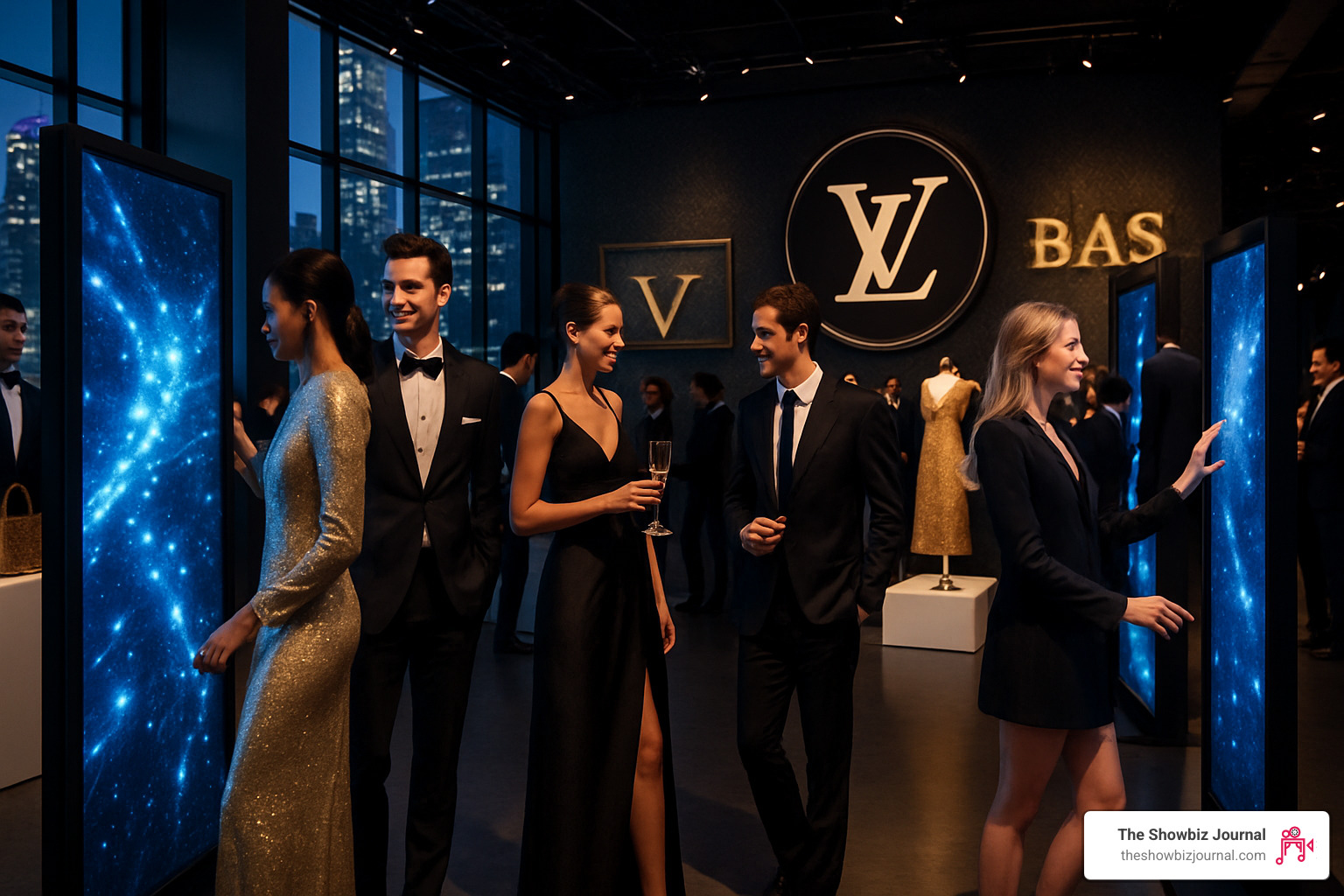
Remember when luxury shopping meant walking into a beautiful store and being offered champagne? Those days feel charmingly quaint compared to what’s happening now. Today’s luxury experiences are multisensory trips designed to create lasting memories.
According to Eventbrite’s fascinating research on experiential consumption, a whopping 78% of millennials would rather spend their hard-earned cash on an experience than a physical product. Luxury brands have taken this insight and run with it, creating moments that stay with customers long after they’ve left the store.
“The magic happens when a brand creates something you can’t just scroll past,” explains marketing strategist Caroline Wu. “These experiences forge emotional connections that last far longer than the initial thrill of a purchase.”
Take Chanel’s latest runway spectacle, where guests entered through a recreated Parisian apartment before emerging onto a rooftop set complete with holographic models interacting with live ones. Or Louis Vuitton’s traveling exhibition that combined historical trunks with cutting-edge VR experiences allowing visitors to “travel” to exotic destinations. These aren’t just fashion shows – they’re cultural moments that people talk about for months.
For customers who can’t attend in person, brands now offer VR front row experiences that capture much of the magic from anywhere in the world. Meanwhile, the truly devoted might receive invitations to intimate dinners where they can mingle with designers and like-minded collectors, strengthening their bond with the brand community.
Building Tribes Through Storytelling
“Every luxury purchase tells a story about who you are,” notes consumer psychologist Dr. Sarah Johnson. “The most successful brands understand that they’re not just selling products – they’re selling chapters in their customers’ personal narratives.”
This storytelling approach has become essential in an era where authenticity reigns supreme. A remarkable 88% of consumers consider authenticity critical when choosing where to spend their money. For luxury brands, genuine storytelling creates the emotional foundation for relationships that can span generations.
Heritage narratives have particular power, connecting contemporary designs to rich brand histories. When Dior references Christian Dior’s New Look or Gucci draws from its equestrian origins, they’re inviting customers to become part of a continuing legacy.
Collaborations have evolved from simple co-branding to rich cultural conversations. When Hermès partnered with celebrated Japanese artist Hiroshi Sugimoto for a limited collection, they weren’t just creating beautiful scarves – they were facilitating a dialogue between Eastern and Western artistic traditions that resonated deeply with art-loving luxury consumers.
Gen Z’s growing influence has accelerated this community-building approach. This generation now accounts for approximately 20% of the luxury market, wielding an estimated $360 billion in disposable income. They’re passionate luxury shoppers, but as youth marketing specialist Tyler Rodriguez explains, “They expect brands to stand for something beyond status.”
This generation has pushed luxury brands beyond mere storytelling into what industry insiders call “storyliving” – immersive narratives where consumers become active participants. Gucci’s gaming collaborations and Balenciaga’s foray into the metaverse exemplify this shift, creating spaces where community members can interact with each other and the brand in entirely new ways.
Social gaming has emerged as a particularly powerful community-building tool. From Louis Vuitton’s partnership with League of Legends to Burberry’s in-game skins for popular titles, luxury brands are meeting younger consumers in their digital playgrounds, creating exclusive virtual goods that hold real social currency.
The most forward-thinking brands have recognized that these communities aren’t just marketing channels – they’re valuable sources of insight and co-creation. By listening closely to their most engaged customers, brands can develop products and experiences that resonate more deeply with their core audience. This virtuous cycle of engagement, feedback, and innovation represents the future of luxury community building.
For more on how entertainment and luxury intersect in these community experiences, check out our Entertainment news section.
Investment Pieces, Resale & Inclusive Design
The concept of luxury as investment has evolved beyond financial value to encompass sustainability, inclusivity, and circularity. These elements are reshaping how consumers approach luxury purchases and how brands design their offerings.
Accessories as Asset Class
When we talk about luxury fashion trends in 2025, we’re seeing accessories take center stage not just as style statements but as genuine investments.
“The right luxury accessories can retain or even increase in value over time,” explains fashion economist Victoria Chen with a knowing smile. “This has transformed how consumers view these purchases—they’re assets rather than expenses.”
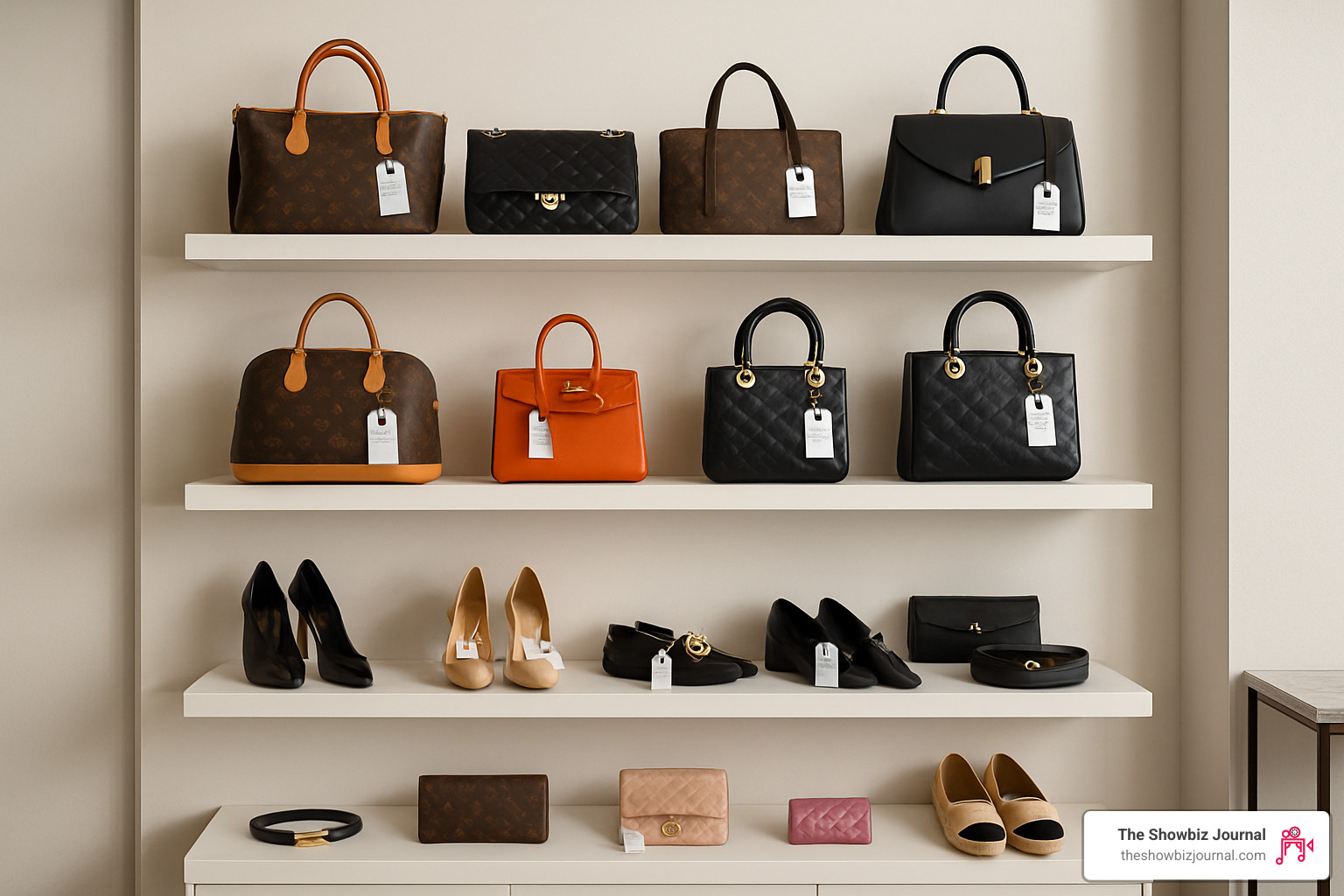
Heritage handbags from houses like Hermès, Chanel, and Louis Vuitton have become the blue-chip stocks of the fashion world. Their timeless designs and limited production runs create a scarcity that drives both desire and value. The Row’s Margaux bag has joined this exclusive club, with waiting lists stretching months for new pieces and pre-owned versions selling for above retail.
Limited-edition collaborations have become the collector’s items of our time. When a luxury brand partners with an artist or another cultural icon, the resulting pieces often appreciate instantly upon release. Smart collectors know to move quickly when these drops are announced.
Watches and jewelry continue their reign as wearable investments, with designs that balance craftsmanship, innovation, and timeless appeal. The most coveted pieces—like Bottega Veneta’s Andiamo tote and Alaïa’s Le Teckel shoulder bag—combine exceptional materials with distinctive designs that won’t look dated next season.
Resale, Rental & Circular Luxury
The pre-owned luxury market is booming like never before, projected to reach a staggering $30 billion by the end of 2025. This isn’t just a trend—it’s a fundamental shift in how we think about luxury ownership.
“The RealReal reported a 41% increase in sales in 2023,” notes circular fashion expert Michael Torres, “and this trajectory has only continued upward.” What was once whispered about—buying secondhand luxury—is now proudly accepted by even the most discerning shoppers.
Authenticated resale platforms have revolutionized the market by solving the trust problem. When you purchase a pre-owned Chanel flap bag or Cartier bracelet, rigorous verification processes ensure you’re getting the real thing. Many luxury houses have recognized this shift and launched their own vintage services, allowing them to control their narrative in the secondary market while creating new revenue streams.
Luxury rental has found its place for special occasions and experimental fashion moments. Why invest in a statement gown you’ll wear once when you can rent it for the evening? These services democratize access to luxury while reducing overall consumption—a win-win for consumers and the planet.
Perhaps most encouraging are the repair and restoration programs that extend product lifecycles. A well-made luxury item should last decades, not seasons, and brands are increasingly offering services to make that possible. According to a report by Business of Fashion, this circular approach is especially appealing to younger luxury consumers who value longevity and sustainability.
Inclusivity & Gender Fluid Luxury
In 2025, luxury fashion trends are finally embracing the beautiful diversity of human bodies and identities. The industry that once defined itself by exclusivity is finding that true luxury means creating exceptional experiences for everyone.
“Luxury fashion in 2025 is increasingly genderless,” observes diversity consultant Marcus Wong. “We’re seeing fluid silhouettes, inclusive color palettes, and marketing that celebrates all forms of self-expression.”
Extended size ranges now maintain design integrity across all dimensions—no more watered-down versions for larger bodies. Brands like Gucci, Prada, and Balenciaga have been particularly successful in creating collections that transcend traditional gender boundaries, offering pieces based on style preferences rather than rigid categories.
The runway has transformed too, with diverse casting that actually reflects the real world. Models of different ages, sizes, ethnicities, and abilities showcase how luxury pieces look on various body types, helping consumers envision themselves in the clothing.
Adaptive design elements that accommodate different abilities are no longer afterthoughts but integrated into the creative process. Magnetic closures, adjustable features, and thoughtful details make luxury accessible to people with disabilities without compromising aesthetics.
This evolution toward inclusivity isn’t just morally right—it’s good business. By welcoming more people into their world, luxury brands are finding new markets and fostering deeper loyalty among consumers who finally feel seen and valued.
Frequently Asked Questions about Luxury Fashion
What makes a fashion item “luxury” in 2025?
The meaning of luxury has transformed dramatically in recent years. If you’re wondering what truly defines luxury fashion trends in 2025, it’s no longer just about that hefty price tag.
Today’s luxury is a beautiful blend of exceptional craftsmanship that showcases meticulous attention to detail, whether it’s handcrafted or improved by cutting-edge technology. The materials matter enormously too – premium, sustainable fabrics and innovative textiles that not only look gorgeous but will stand the test of time.
Design integrity has become paramount – thoughtful creations that balance beauty with function and timelessness. And perhaps most interestingly, consumers now deeply care about brand values. Does the company accept transparent practices? Is production ethical? Does their storytelling feel authentic?
“What’s fascinating about luxury in 2025 is how the flashy logo obsession has faded,” notes fashion psychologist Dr. Emma Chen. “Today’s luxury consumer is more interested in what we call ‘quiet signifiers’ – subtle details that only true fashion connoisseurs would recognize and appreciate.”
This shift represents a more sophisticated understanding of luxury – one that values substance as much as style.
How are luxury brands verifying authenticity in the resale market?
With the luxury resale market booming, authentication has become incredibly sophisticated. The days of simply checking stitching and logos are long gone!
Blockchain technology has revolutionized verification, with many luxury houses now embedding digital product passports that track provenance and ownership history. These digital IDs are nearly impossible to fake and provide complete transparency about a product’s journey.
Physical authentication has evolved too. Microchips, specialized stitching patterns that serve as hidden signatures, and even material “fingerprinting” allow experts to verify items with specialized equipment.
The human touch remains essential, with trained authentication specialists examining construction details, materials, and craftsmanship markers that counterfeiters typically miss. Many brands have launched their own certification programs, bringing authentication in-house to maintain control over their secondary market.
Perhaps most impressive is the rise of AI verification systems that can analyze thousands of data points in seconds, identifying counterfeits with remarkable accuracy. As one authentication expert told me, “Today’s verification isn’t just one method – it’s layers of security working together, making luxury counterfeiting harder than ever before.”
Why is “quiet luxury” trending over logo-centric styles?
The shift toward understated elegance in luxury fashion trends reflects a fascinating evolution in how we think about style and status. But why has quiet luxury captured our hearts?
For many, it represents a more mature approach to luxury. As fashion writer Jasmine Wong puts it, “There’s something deeply confident about letting quality speak for itself rather than relying on logos to broadcast your taste.”
Economic uncertainty has certainly played a role too. During unpredictable times, flashy displays of wealth can feel tone-deaf, pushing many toward more thoughtful, understated choices that whisper rather than shout.
The social media effect can’t be ignored either. As logo-heavy styles became ubiquitous on Instagram and TikTok, true fashion connoisseurs sought differentiation through subtlety and personal style that algorithms couldn’t easily categorize.
There’s also the investment angle. Understated pieces typically age more gracefully, aligning perfectly with the growing view of luxury as something to cherish for years rather than seasons.
“I think we’re seeing a healthy pushback against algorithm-driven fashion,” explains trend forecaster Michael Torres. “True fashion relevancy comes from emotion and originality rather than constant novelty. Quiet luxury embodies this philosophy perfectly.”
This movement offers something increasingly precious in our world: a chance to step back from the trend treadmill and accept something more personal, lasting, and meaningful.
Conclusion
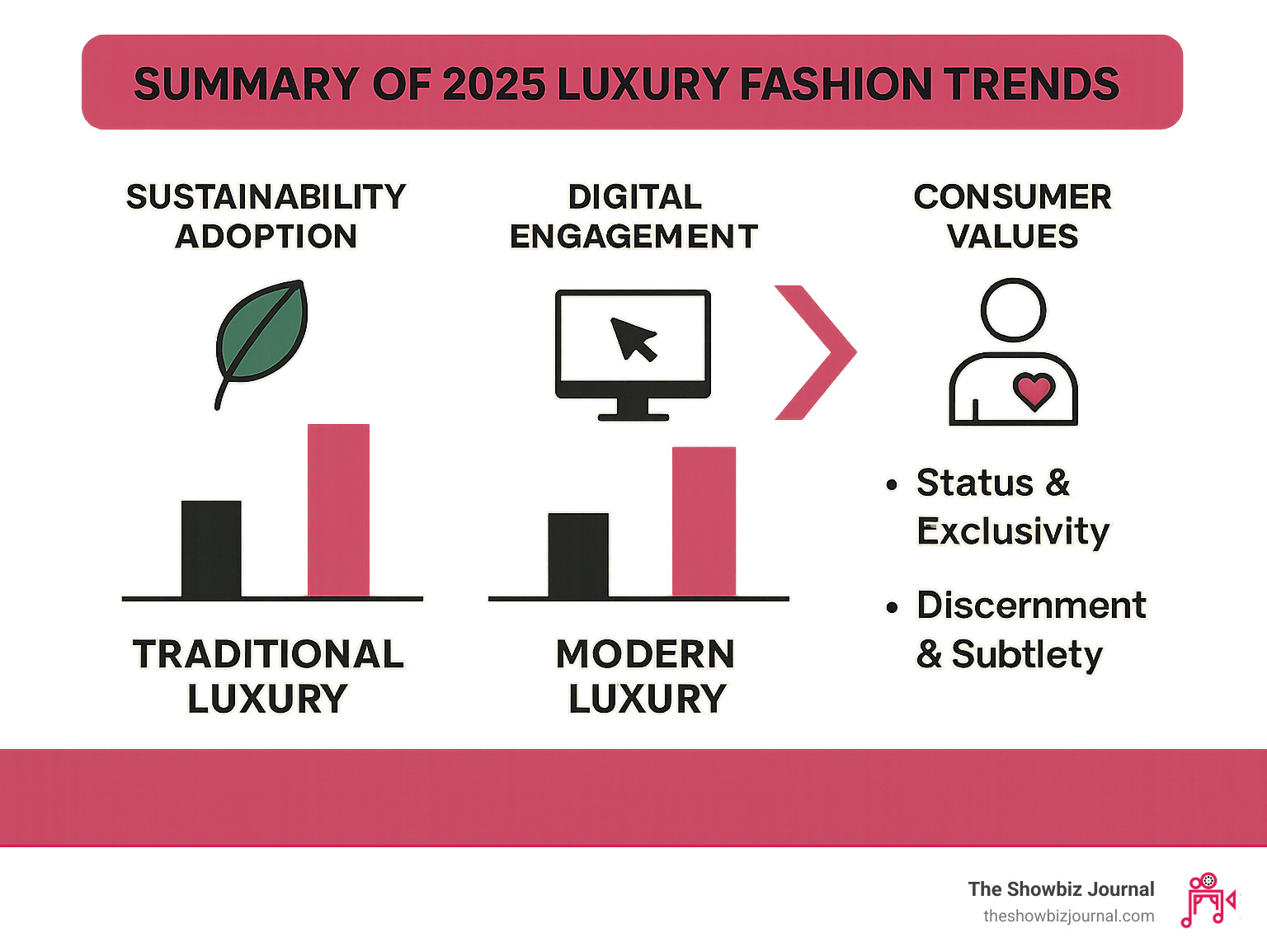
As we’ve journeyed through the evolving landscape of luxury fashion trends in 2025, one thing becomes abundantly clear – luxury is no longer just about price tags and exclusivity. It’s transformed into something far more meaningful, blending timeless craftsmanship with forward-thinking innovation.
The luxury market has matured beautifully, moving away from flashy logos toward something more substantive – quality that speaks for itself, sustainability that protects our shared future, and inclusivity that celebrates our differences. These aren’t fleeting fads but fundamental shifts in how we understand and experience premium fashion.
From where we sit at The Showbiz Journal, watching these changes unfold has been fascinating. There’s something deeply encouraging about seeing centuries-old ateliers accept cutting-edge technology without losing their soul. When a heritage brand creates a handbag using traditional techniques but incorporates bio-fabricated materials, it represents the best of both worlds – respecting tradition while acknowledging our responsibility to the planet.
“The most exciting brands today are those bridging past and future,” notes fashion forecaster Eliza Chen. “They honor their heritage while boldly stepping into new territory.”
What’s particularly refreshing is how today’s luxury landscape offers something for everyone. Whether you’re drawn to the understated elegance of quiet luxury, the playful nostalgia of neo-vintage, or the boundary-pushing world of digital fashion, there’s space for your personal expression. Luxury has become less prescriptive and more invitational.
Looking ahead, we expect the boundaries between physical and digital, creation and consumption, tradition and innovation to continue blurring in fascinating ways. The brands that will thrive are those nimble enough to evolve while staying true to their core identity and values.
For consumers, this new era of luxury presents a wonderful opportunity to align personal style with deeper values. Whether you’re investing in a timeless piece that will appreciate over decades, exploring digital fashion frontiers, or supporting brands committed to ethical practices, your choices can reflect who you are and what you believe in.
We at The Showbiz Journal will continue tracking these evolving luxury fashion trends from our Hollywood headquarters, bringing you thoughtful insights from the world’s most innovative designers and brands. After all, luxury isn’t just about what we wear – it’s about how we choose to move through the world.

About the author
Annelise Sylta
Annelise Sylta is a member of the editorial staff at The Showbiz Journal. She holds an MBA from FIDM and brings a professional background in marketing, communications, branding, and audience engagement to her work with the publication. Her experience provides an additional perspective on the intersection of entertainment, culture, media, and contemporary lifestyle.