Beyond the Bling: Unpacking the Top Luxury Trends for 2025
Redefine luxury in 2025. Explore conscious consumption, tech, and fashion shifts in our guide to luxury trends 2025.

The Luxury Revolution: How 2025 is Redefining What It Means to Be Truly Elite
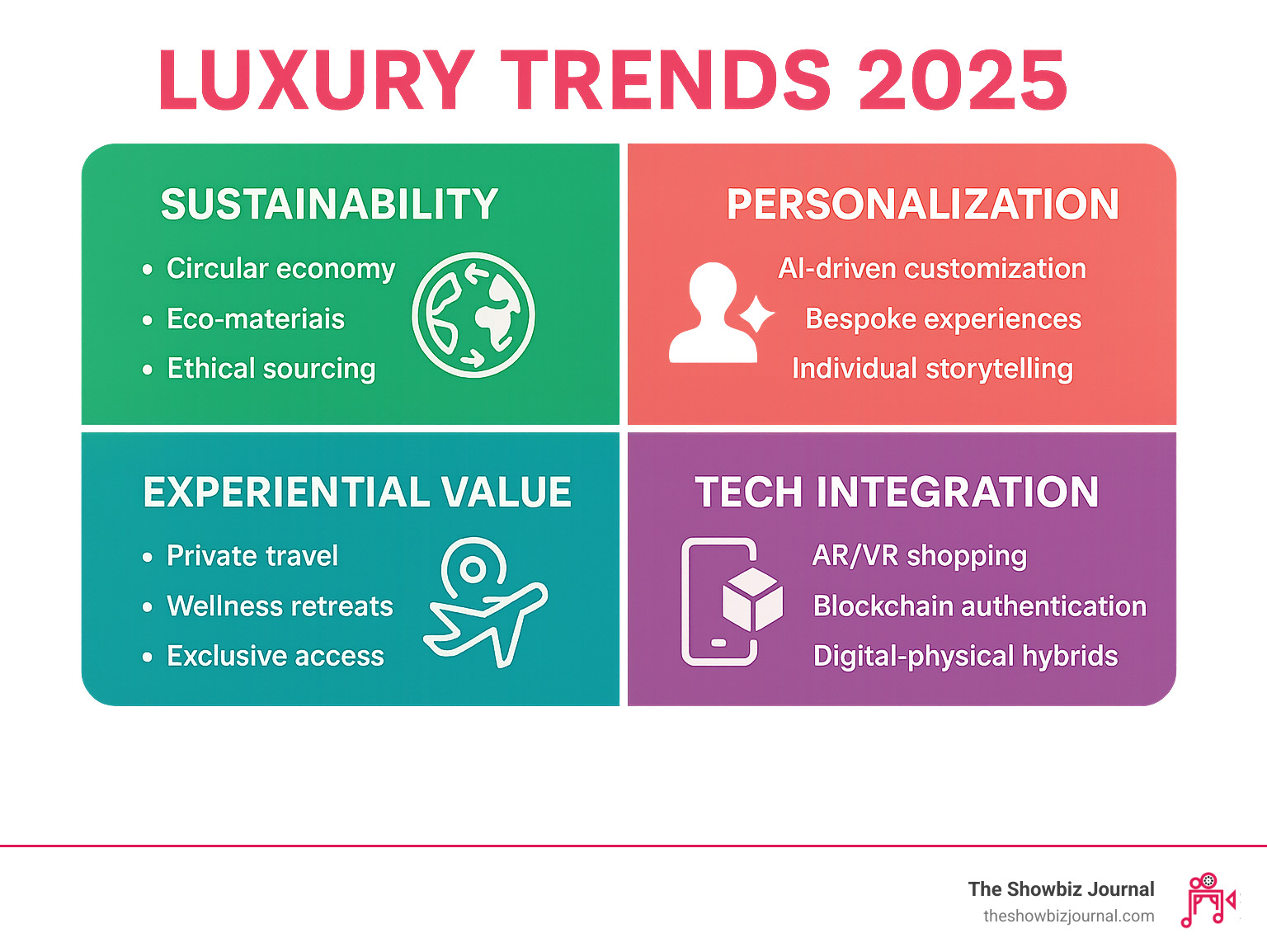
Luxury trends 2025 are reshaping what it means to be elite, moving beyond traditional symbols of wealth. The key shifts defining luxury in 2025 are:
The 5 Core Luxury Trends for 2025:
- Sustainability as Standard – 64% of luxury consumers now prioritize eco-consciousness
- Hyper-Personalization – AI-driven bespoke experiences and products
- Experience Over Ownership – Private villas, wellness retreats, and exclusive access
- Tech Integration – AR/VR shopping, blockchain authentication, and digital-physical hybrids
- Value-Driven Consumption – Purpose and authenticity matter more than price tags
The luxury landscape is in its “third evolutionary stage” – NEO Luxury. This marks a shift from material opulence to conscious experience, where purpose is as valued as prestige.
“The modern luxury consumer values purpose as much as prestige. They are redefining what it means to be luxurious, favoring brands that align with their values,” explains Sarah Carter, Luxury Strategist and Industry Expert.
This change is clear in Hollywood and Anaheim’s creative communities, where 40% of luxury consumers are now under 40. They drive demand for authentic, sustainable, and personalized experiences over traditional status symbols.
The data is telling: 79% of luxury decision-makers agree that brands must radically adapt, while “loud luxury” aesthetics have seen popularity spike over 40%.
I’m Jonas Muthoni TSJ, Founder and Editor-in-Chief of The Showbiz Journal. I track how celebrity culture intersects with luxury trends 2025 in our Hollywood and Anaheim communities. My background in digital media provides unique insight into luxury’s evolution in the entertainment world.
The New Face of Luxury: Meet the 2025 Consumer
The traditional image of the luxury consumer is fading. As we explore luxury trends 2025, a new consumer profile emerges, driven by different motivations.

Who They Are and What They Value
The ‘new luxury consumer’ is largely under 40, representing 40% of the market. This demographic, mainly Gen Z and Millennials, brings new values to the table. They are digital natives who prioritize authenticity and purpose.
For these consumers, luxury is about alignment with personal values, not just conspicuous consumption. As Sarah Carter, Luxury Strategist notes, they value “purpose as much as prestige.” This drives demand for transparency, ethical practices, and genuine brand connections. They seek compelling storytelling, rejecting traditional opulence. In Hollywood and Anaheim, we see this in the choices of affluent youth, who favor brands with social consciousness, a trend influenced by celebrities backing purpose-driven initiatives.
How Their Values are Reshaping the Market
This value-driven approach is reshaping the luxury market. Brands must adapt their strategies to meet these expectations. Transparency in sourcing and labor is now paramount, as consumers want to know the story behind their items to ensure ethical alignment.
This has spurred co-creation models, involving consumers in the design process to foster individuality. The circular economy is also growing, with booming secondhand luxury markets driven by sustainability and a desire for unique vintage pieces. Brand loyalty is now about shared values, not just purchases. This impact is clear in Southern California’s creative industries, where designers and brands integrate sustainable practices and unique narratives to appeal to this new consumer base.
The Great Fashion Debate: Loud, Lazy, and Neo-Boho Styles
The fashion landscape for luxury trends 2025 is a vibrant, contradictory mix of aesthetics. The ‘quiet luxury’ of past seasons is evolving into new forms of self-expression. Our analysis of runways and street style in the entertainment industry highlights these compelling shifts.

The Resurgence of ‘Loud Luxury’
‘Loud luxury’ is making a powerful comeback, a bold departure from its understated predecessor. This trend is defined by statement styles, vibrant colors, and prominent logos—it’s about confident, unapologetic expression. Brands like Dolce & Gabbana and Versace have seen popularity spike by over 40 percent, signaling high demand for this maximalist aesthetic.
This trend is taking hold in Hollywood, where celebrity style sets national tones. Local designers in Hollywood and Anaheim are incorporating bold elements into their collections for a clientele eager to stand out. The ‘Data, But Make it Fashion’ Instagram account has also highlighted this shift, showing public figures embracing lavish, statement-making items.
Here are the Loud Luxury Accessories dominating the Southern California scene:
- Loud Luxury Handbags: Croc-embossed in viral cherry red or other vibrant designer bags.
- Loud Luxury Jewelry: Logo-emblazoned pieces, chunky charm bracelets, and 80s-inspired earrings.
- Loud Luxury Shoes: Sculptural kitten heels, mules with curved heels, or detailed loafers.
- Loud Luxury Hats and Headscarves: Sweeping sun hats, crochet caps, or sumptuous satin scarves.
- Loud Luxury Belts: Leather belts with radiant metal hardware or wide gold waistbands.
- Loud Luxury Sunglasses: Oversized designs in saturated or bold neutral tones.
The Comfort of ‘Lazy Luxury’
Conversely, a more relaxed yet opulent trend is emerging: ‘lazy luxury.’ This is a lower-effort take on richness, emphasizing comfort and a relaxed attitude for 2025. It promotes effortless chic, throwing on beautiful pieces without the curated perfection of ‘quiet luxury.’
Imagine a large, luxurious coat over a sweatsuit or even boxers—that’s the vibe. It suggests a level of wealth where perfection isn’t the goal. Key pieces include high-quality basics like cashmere sweaters, relaxed-fit trousers, T-shirt dresses, and monochrome outfits. Local boutiques in Hollywood and Anaheim are embracing this trend, offering luxurious but comfortable essentials for a laid-back, affluent lifestyle.
The Return of Grown-Up Boho and Lifted Minimalism
Beyond the bold and relaxed, luxury trends 2025 also see a ‘grown-up boho’ revival. This isn’t festival wear; it’s refined with luxurious fabrics like silk chiffon and intricate embroidery, focusing on craftsmanship and artisanal textures. We’re seeing neat chain belts and sophisticated lace details on sheer fabrics.
Minimalism also persists with ‘liftd twists’—a more fluid and sculptural approach. Think exaggerated silhouettes, sophisticated draping, and artistic metal hardware. This ‘lifted minimalism’ often incorporates ‘femme-masc fluidity,’ with adjustable and genderless fashion becoming more prominent. Our local artisan community, inspired by the music news scene, is creating stunning pieces that exemplify this blend of craftsmanship and subtle extravagance.
Redefining Value: Sustainability and Tech in the 2025 Luxury Landscape
As we look at luxury trends 2025, the industry is being transformed by two powerful forces: a strong focus on sustainability and smart new technology. This combination has created what experts call “NEO Luxury,” the third evolutionary stage of luxury. Here, ethical values and tech innovation are as crucial as exclusivity and craftsmanship. This new era is defined by conscious consumption and phygital experiences. You can dive deeper into these tech changes in The Showbiz Journal’s Technology section.
Sustainability as the New Standard
For luxury trends 2025, sustainability is no longer optional—it’s essential. Younger consumers, particularly Millennials and Gen Z, are driving this shift, with 64% of luxury shoppers citing sustainability as a key purchasing factor. Brands are now integrating sustainability into their core strategies, moving beyond minor tweaks.
We’re seeing breakthroughs in material innovation, with luxury items made from mushroom-based leather alternatives and other eco-friendly materials. Brands are also embracing the circular economy through resale platforms, repair services, and Certified Pre-Owned (CPO) programs to extend product life and reduce waste.
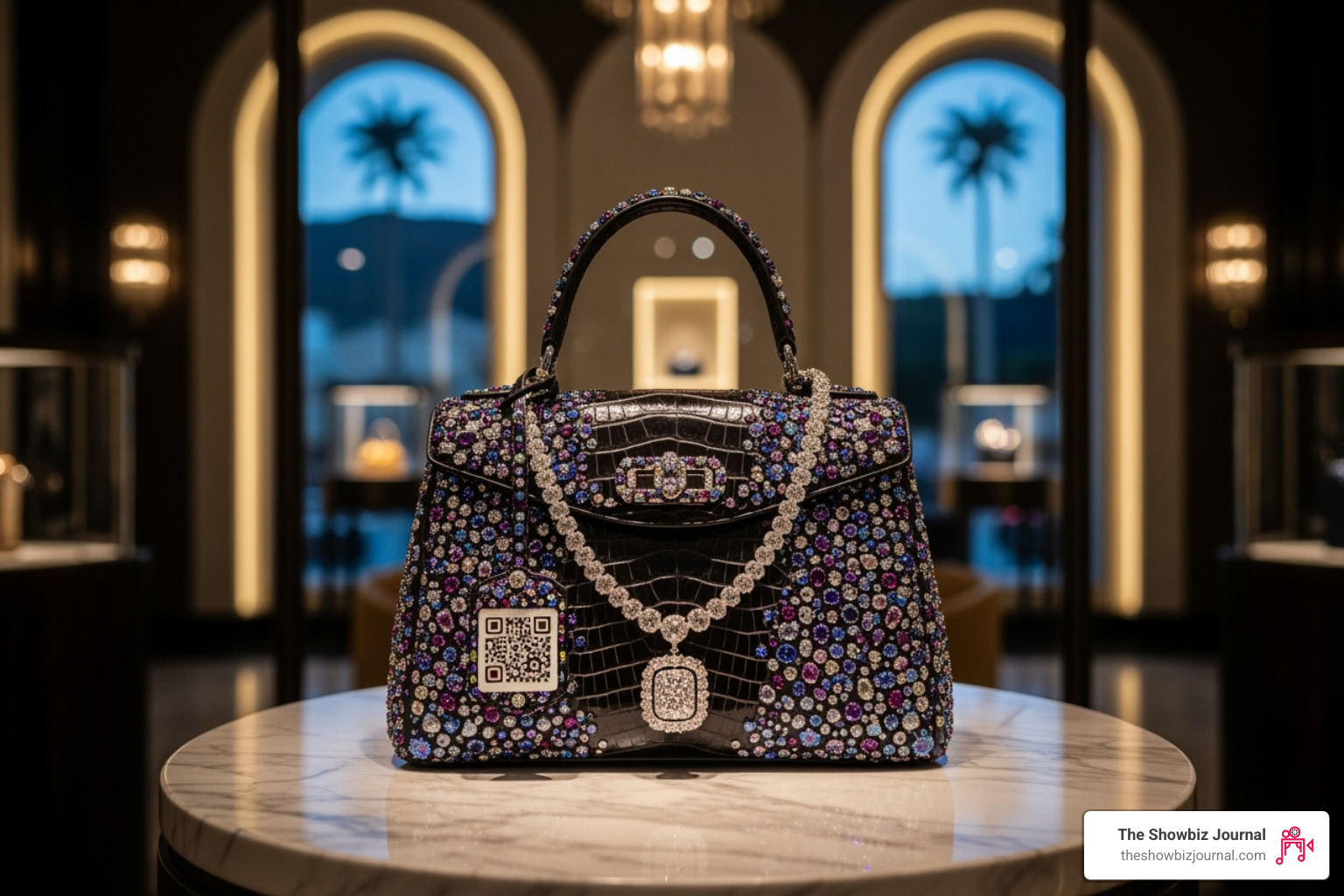
Technology is a key enabler here. Blockchain technology ensures transparency and traceability, allowing consumers to verify an item’s origin and confirm it was ethically sourced. Digital product passports, accessed via QR code, can reveal an item’s entire history. In Hollywood and Anaheim, local initiatives are supporting this movement, with boutiques focusing on ethical production and sustainable sourcing.
The Tech-Infused Future of Luxury Products and Experiences
Technology is becoming a main event in luxury, making it more personal and exciting. AI-powered personalization is advancing beyond simple recommendations to enable AI-curated bespoke tailoring that can adapt to body movement or even local climate data. Imagine an AI style assistant curating an outfit based on the sunny Hollywood forecast.
Augmented Reality (AR) and Virtual Reality (VR) are changing how we shop, allowing for virtual try-ons and immersive virtual stores. You could even use VR to tour a boutique hotel before booking. The metaverse and NFTs are opening new frontiers for exclusive digital experiences and collectibles.
We’re also seeing digital-physical hybrids, where a garment’s QR code open ups exclusive AR filters or online content. The Internet of Things (IoT) is making luxury smarter, with services that anticipate needs. Think of vehicles with customizable interiors that remember your settings or climate-adaptive outerwear that adjusts its fabric in real-time. For movies fans, imagine cinematic experiences improved by tech that adapts to your viewing preferences. These innovations are crafting unparalleled customer journeys that redefine luxury.
Beyond Possessions: The Evolution of Experiential Luxury
Luxury trends 2025 reveal a major shift from owning things to having unique, memorable experiences. This is the core of the “experience economy,” where luxury is measured by personal meaning, not possessions. The focus is on privacy, exclusivity, and immersive journeys that offer rich cultural connections and bespoke travel.
The Rise of Hyper-Personalized Travel and Wellness
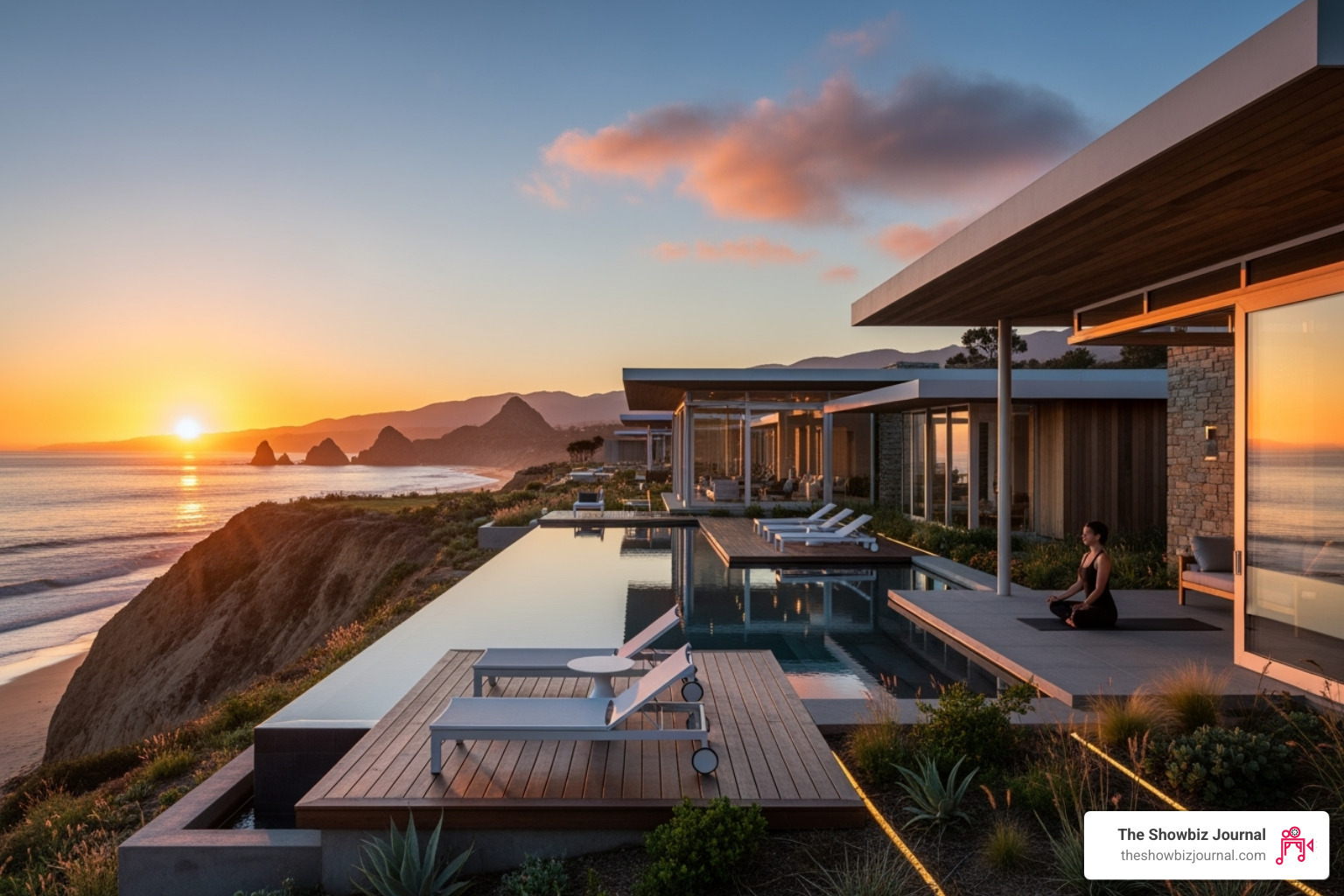
Experiential luxury excels in travel and wellness. High-net-worth individuals now seek personalized, immersive getaways that offer privacy and cultural depth over standard hotels. Bespoke villa stays, like those in the Hollywood Hills or overlooking the California coast, are the new gold standard, complete with private chefs and custom itineraries for ultimate seclusion.
Wellness travel has also soared, with huge demand for ultra-luxury wellness retreats, personalized longevity programs, and private medical spas focused on holistic well-being. In Hollywood and Anaheim, requests for exclusive local experiences are growing, from private studio tours to VIP theme park access, all custom to individual desires. Think of a truffle hunting trip in Italy followed by a private Michelin-starred dinner, or an exclusive island getaway. These rare, personalized trips define luxury travel in 2025 and fit perfectly with our lifestyle coverage.
The Convergence of Retail and Hospitality
The lines between luxury retail and hospitality are blurring, creating innovative hybrid models. Luxury brands are changing flagship stores into vibrant lifestyle destinations—immersive environments to relax, socialize, and connect with the brand on a deeper level.
Across Southern California, high-end retail spaces now offer innovative dining, exclusive events, and personalized styling services for a holistic luxury experience. Imagine a Beverly Hills boutique hosting a private tasting menu from a famed chef, or an Anaheim car showroom featuring an exclusive art exhibit. This blending of worlds lifts retail beyond simple transactions, fostering brand loyalty and turning stores into social hubs where customers connect with the brand’s spirit.
Here’s a look at which sectors are growing and declining in this evolving luxury landscape:
| Sector Category | Growing Sectors (2025) | Declining Sectors (2025) |
|---|---|---|
| Experiential | Experiential luxury (exclusive trips, private events, unique trips) | |
| Products | Personalized objects (bespoke creations, customized designs) | Traditional luxury cars (non-electric, non-customized) |
| Marketplace | Secondary luxury market (vintage/refurbished items, authenticated pre-owned) | Traditional luxury fashion (non-sustainable, mass-produced luxury) |
| Lifestyle | High-end gastronomy (fine wines, specialty oils, unique culinary experiences) | Non-sustainable luxury real estate (lacking eco-credentials, generic design) |
| Wellness | Wellness retreats, longevity programs, private medical spas | |
| Technology | AI-curated products, AR/VR experiences, blockchain-verified items, digital collectibles |
Navigating the Future: Key Challenges and Luxury Trends 2025
The luxury world is constantly evolving, and 2025 will be a year of significant adaptation. Brands face new challenges from economic headwinds, geopolitical shifts, and changing consumer values. A Keylens / Inlux NEO Luxury study found that 79% of luxury leaders agree they must radically adapt their business models, highlighting the need for innovation to steer luxury trends 2025.
Key challenges and strategic priorities for luxury brands in 2025
Luxury brands are navigating a complex mix of economic pressures, including tariffs (some as high as 31% on imports) that can dampen consumer demand. Some analysts even predict a potential 2% decline in luxury sales for 2025, meaning brands must focus on long-term value.
Key priorities for luxury brands include: restoring product excellence with uncompromising quality; bridging talent gaps for digital and sustainable roles; future-proofing portfolios with experiences and tech-integrated products; and rethinking client engagement to build communities. They must also steer tariffs and maintain exclusivity in a digital world.
How personalization and bespoke offerings are central to the luxury market
Personalization is a core expectation in luxury trends 2025. Consumers want products and experiences that reflect their unique story, moving far beyond simple monogramming.
Brands are using cutting-edge technology to create highly personalized offerings. Imagine AI-curated bespoke tailoring that adapts to your movements or the climate. This level of ultimate personalization creates a powerful emotional connection, turning luxury into a true form of self-expression. In Hollywood and Anaheim, where individuality is celebrated, bespoke offerings are especially popular.
Which sectors are experiencing growth or decline in the 2025 luxury landscape
The luxury market is reshuffling, with investment moving into new areas while traditional sectors face shifts.
Growth is strong in several areas. Experiential luxury is booming, as consumers prioritize collecting memories through unique trips and private events. Personalized objects, from AI-designed clothing to bespoke homes, are in high demand. The secondary luxury market for authenticated pre-owned items is thriving, driven by sustainability and uniqueness. Other growth areas include high-end gastronomy, wellness retreats, and technology-driven luxury like AR/VR experiences and NFTs.
On the other hand, some sectors are in decline. Traditional luxury cars that fail to accept electrification and smart integration are losing ground to electric luxury vehicles. Traditional luxury fashion brands that don’t prioritize sustainability and innovation are struggling. Similarly, non-sustainable luxury real estate lacking eco-credentials and bespoke design is becoming less appealing to the conscious consumer.
This shift shows that today’s luxury consumer seeks a compelling story, an emotional connection, and a positive impact.
Frequently Asked Questions about Luxury Trends 2025
We’ve covered the exciting changes shaping luxury trends 2025. Here are quick answers to common questions.
What is the main shift in luxury for 2025?
The main shift is from overt displays of wealth to a more mindful, value-driven approach. Consumers now prioritize purpose, sustainability, personalization, and unique experiences over brand prestige alone. This evolution is known as “NEO Luxury,” blending ethics with aesthetics.
How is technology changing the luxury experience?
Technology is making luxury more personal, immersive, and transparent. AI delivers bespoke recommendations, AR/VR allows for virtual try-ons and store experiences from home in Hollywood or Anaheim, and blockchain provides traceability and authenticity for high-value items. This creates a seamless “phygital” blend of online and offline engagement.
Is ‘Quiet Luxury’ over?
‘Quiet Luxury’ isn’t over, but the conversation has expanded. Its principles of quality and craftsmanship are evolving into ‘Lazy Luxury’—a more effortless, comfort-driven aesthetic. At the same time, ‘Loud Luxury’ is making a strong comeback with bold logos and statement pieces, especially among Hollywood and Anaheim trendsetters. The market is diversifying to accommodate multiple tastes rather than following a single trend.
Conclusion
It’s clear that luxury trends 2025 are painting a richer, more nuanced picture than ever before. Conscious consumerism, tech innovation, and a desire for unique experiences are redefining luxury. The focus has shifted from what you own to who you are and the values you embody. This new era blends heritage with innovation, creating more personal, purposeful, and engaging high-end experiences.
From the bold statements of ‘loud luxury’ on Hollywood streets to the serene, personalized retreats in the Anaheim Hills, these trends show a deeper understanding of modern affluence. It’s about authenticity, positive impact, and creating unforgettable moments, all powered by technology and a new generation of discerning consumers.
This shift presents both challenges and opportunities for brands ready to innovate. Here at The Showbiz Journal, we are dedicated to tracking how the worlds of entertainment and luxury intertwine in our vibrant Hollywood and Anaheim communities.
Ready to dive deeper into how lifestyle choices are shaping our world?
Explore more trends in our Lifestyle section.
About the author
Annelise Sylta
Annelise Sylta is a member of the editorial staff at The Showbiz Journal. She holds an MBA from FIDM and brings a professional background in marketing, communications, branding, and audience engagement to her work with the publication. Her experience provides an additional perspective on the intersection of entertainment, culture, media, and contemporary lifestyle.