
Hollywood’s Heavy Hitters: The Most Expensive Films Ever Made
Discover Hollywood's most expensive films! Learn about big budget productions, their risks, and the top 5 costliest movies ever made.

Why Big Budget Productions Define Modern Hollywood
Big budget productions are films with production costs often exceeding $100 million, with some blockbusters requiring up to $400 million to make. These massive investments shape everything from casting to visual effects, creating the spectacle-driven cinema that dominates today’s box office.
What defines big budget productions:
- High-budget films: Generally $50+ million production costs
- Tentpole features: $100+ million blockbusters that support a studio’s revenue
- Above-the-line costs: Star salaries, director fees, producer payments
- Below-the-line costs: Crew, equipment, locations, post-production
- Marketing expenses: Often 50-100% of the production budget, but billed separately
The numbers are striking. Avengers: Endgame cost $365 million to produce and earned $2.8 billion globally. Star Wars: The Force Awakens required $533 million but generated over $2 billion. Yet not every bet pays off—Indiana Jones and the Dial of Destiny spent $402 million but only grossed $384 million.
These budgets have changed filmmaking. From 1996 to 2001, 36% of films had mid-range budgets ($15-65 million). By 2016-2021, that figure plummeted to just 5%. Studios now follow a “go big or go home” strategy, betting on franchise spectacles for global audiences.
I’m Jonas Muthoni TSJ. At The Showbiz Journal, I track how big budget productions have transformed Hollywood economics, using my experience in film industry dynamics to analyze these massive cinematic investments.
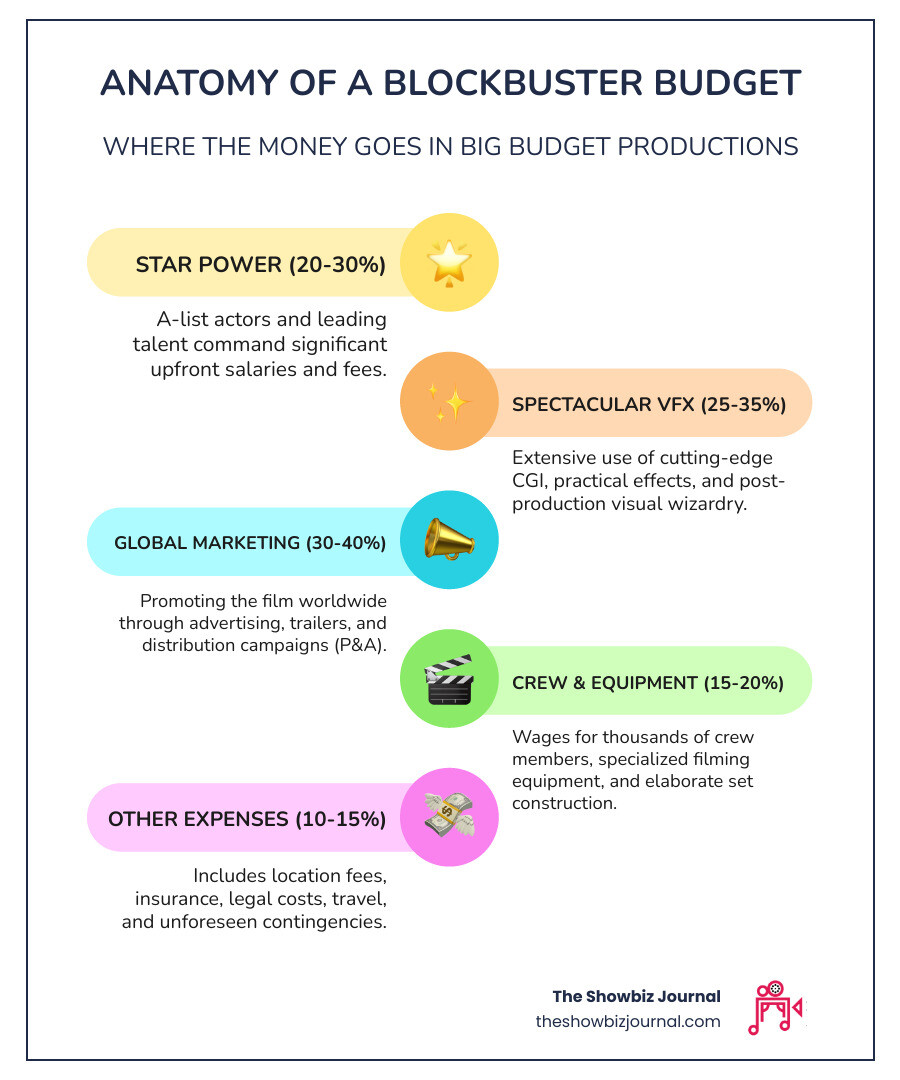
The Anatomy of a Blockbuster: What’s Really in a Film Budget?
Ever wonder where the hundreds of millions go in big budget productions? A production budget is the agreed-upon cost to bring a movie from script to screen. It covers making the film, but the total investment also includes marketing and distribution, which can double the final price tag.
For example, if Avengers: Endgame cost $365 million to produce, Disney likely spent another $200-300 million on marketing. That’s why a $400 million movie needs to earn close to $1 billion just to break even.
Breaking Down the Costs: Above-the-Line vs. Below-the-Line
Budgets are split into two main buckets:
Above-the-line costs are for major creative talent: A-list actor salaries ($20-30M+), director fees, screenwriter payments, and producer costs. Robert Downey Jr.’s reported $75 million for Avengers: Endgame is a prime example.
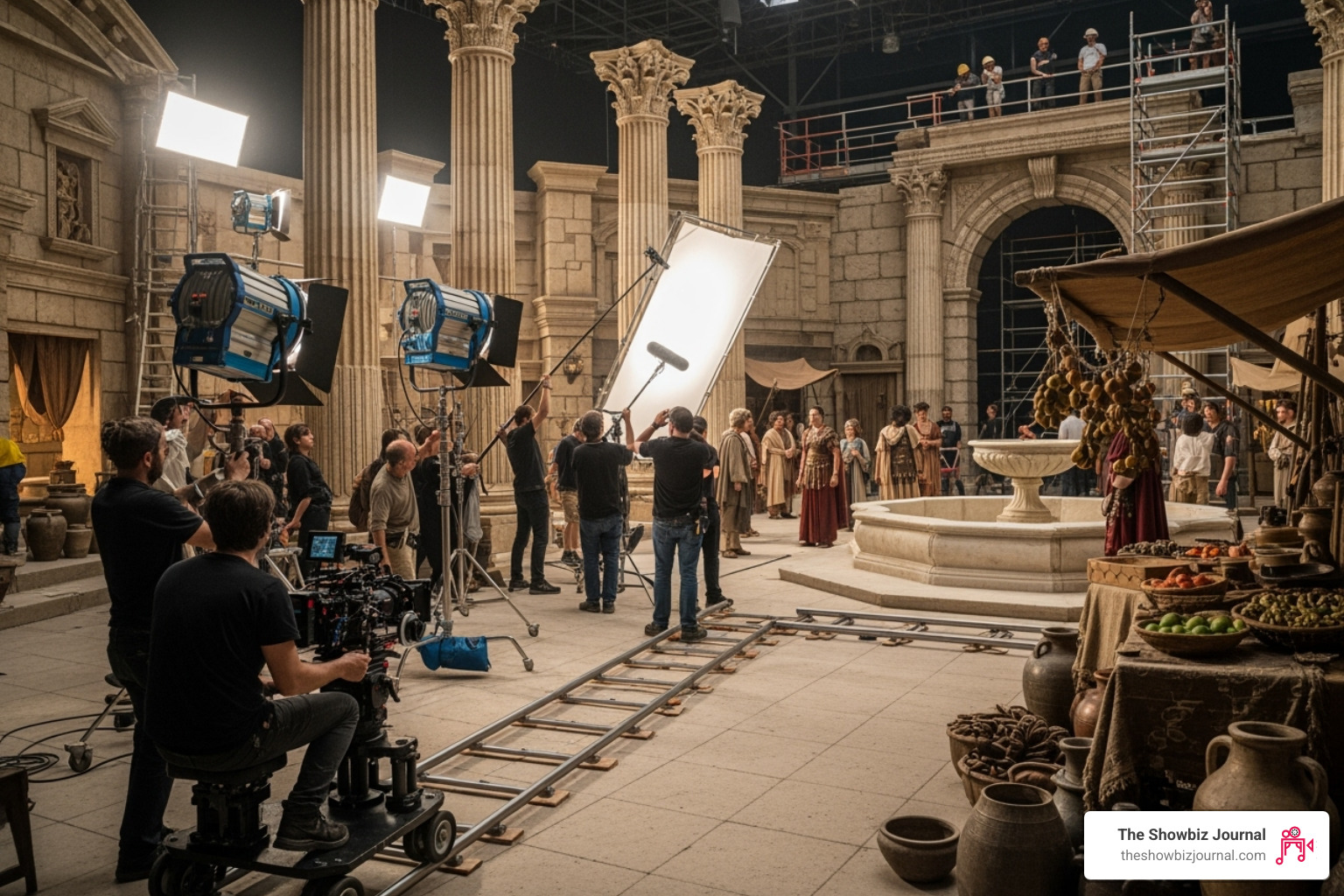
Below-the-line costs cover the physical production: crew salaries, set construction, location fees, wardrobe, and special effects hardware, like the practical sets in Dune or motion-capture for Avatar. The split varies; some films prioritize star power, while others invest heavily in visuals.
The Tiers of Filmmaking: From Indie Darlings to Tentpole Titans
The film industry operates on a tier system that determines a project’s scale and strategy.
-
Micro-budget films (under $1M): Shane Carruth’s Primer ($7,000) proves creativity trumps cash.
-
Low-budget films ($1-15M): Jordan Peele’s Get Out ($4.5M) became a cultural phenomenon, proving a compelling story can beat expensive spectacle.
-
Mid-budget films ($15-65M): This tier, including films like Knives Out ($40M), has become an endangered species, dropping from 36% of releases in the late 1990s to just 5% today.
-
High-budget films (over $65M): This is blockbuster territory, where studios expect global appeal. Denis Villeneuve’s Dune ($165M) exemplifies this category.
-
The blockbuster tier ($100-200M+): These are the ultimate big budget productions, designed as cultural events. Studios like Disney and Warner Bros. bet their yearly strategies on these tentpole features.
Each tier serves a purpose, but big budget productions create the spectacle and revenue that keep the entire industry spinning.
The Blockbuster Effect: How Money Shapes Movies and the Industry
With hundreds of millions on the line, big budget productions operate under different rules that shape every creative decision. Once a budget hits nine figures, studio oversight increases, often limiting creative freedom in favor of safer, franchise-friendly stories with global appeal. This fuels the ongoing spectacle versus story debate that divides audiences and critics.
Creative Choices and the Influence of a Big Budget
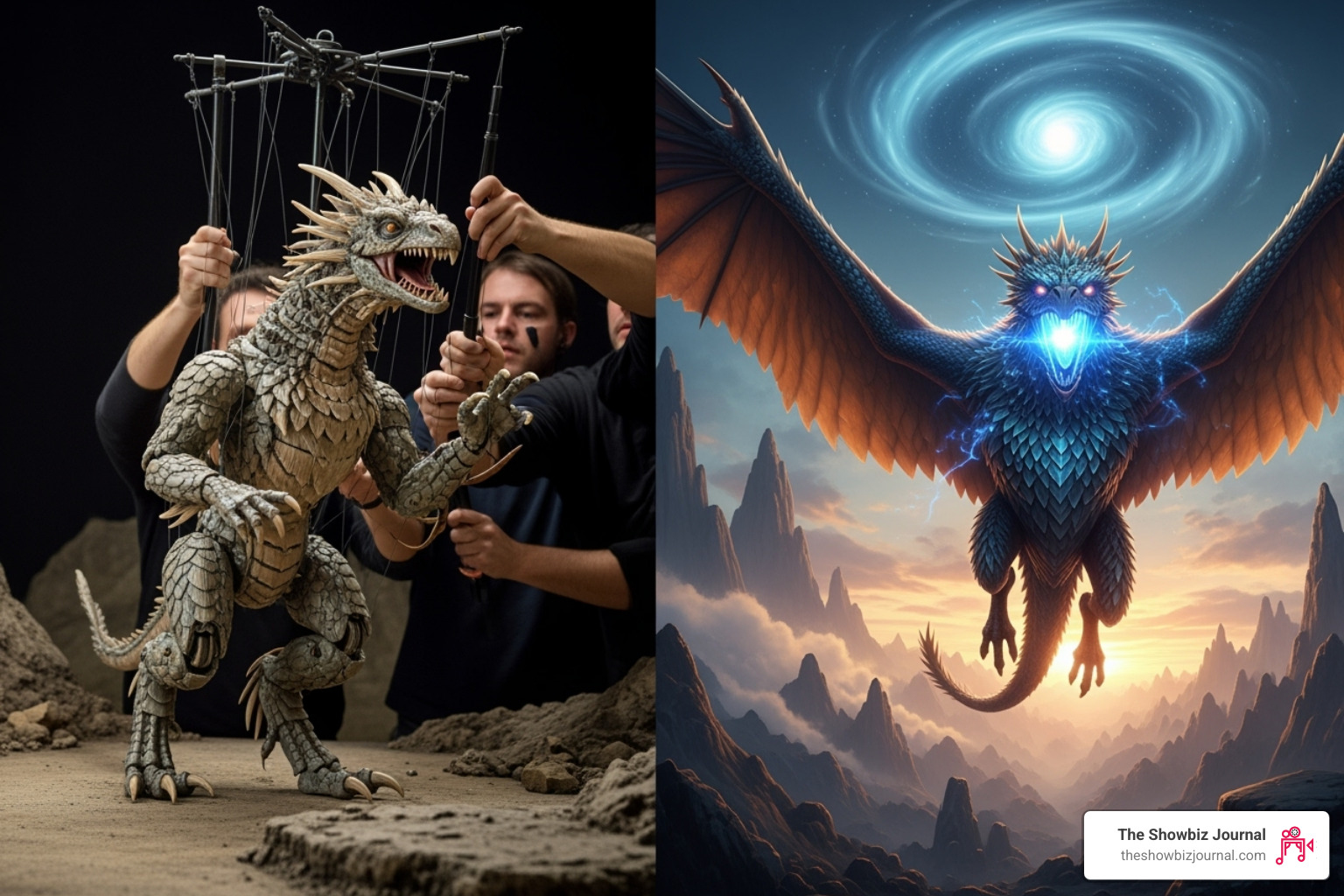
Massive budgets open up creative possibilities, allowing filmmakers to build entire worlds through cutting-edge visual effects. When Avatar had $237 million, James Cameron could invent new filming technology. This reliance on special effects can transport audiences but sometimes overshadows character development.
A-list star power is another major draw, as globally recognized names can drive ticket sales. These productions also afford shooting in exotic locations and building intricate set designs that make digital worlds feel tangible.
However, there’s a concern about the impact on character depth. With unlimited resources for spectacle, some films may rely on visuals over compelling characters. Interestingly, visually distinctive films can be made on modest budgets when creativity is the focus. The Truman Show proved that visual innovation doesn’t always require massive spending.
The Disappearance of Mid-Budget Films and the Rise of Big Budget Productions
The numbers tell a shocking story. Between 1996 and 2001, 36% of films had budgets between $15 and $65 million. By 2016-2021, that number crashed to just 5%.
This shift reflects Hollywood’s risk aversion and a “go big or go home” strategy. Studios have learned the biggest returns often come from blockbusters designed for international markets. The focus on international box office favors action-heavy spectacles over dialogue-driven dramas.
This has led to an intense importance of franchises and established IP, like Marvel, Star Wars, and Disney’s live-action remakes. These properties have built-in audiences, making them feel like safer bets.
New distribution models are changing the landscape. Streaming services have become a home for many mid-budget films, giving them a platform but often without the cultural impact of a major theatrical release. The result is a polarized industry, with little room between micro-budget indies and massive blockbusters.
High Risk, High Reward: The Financial Gamble of Big Budget Productions
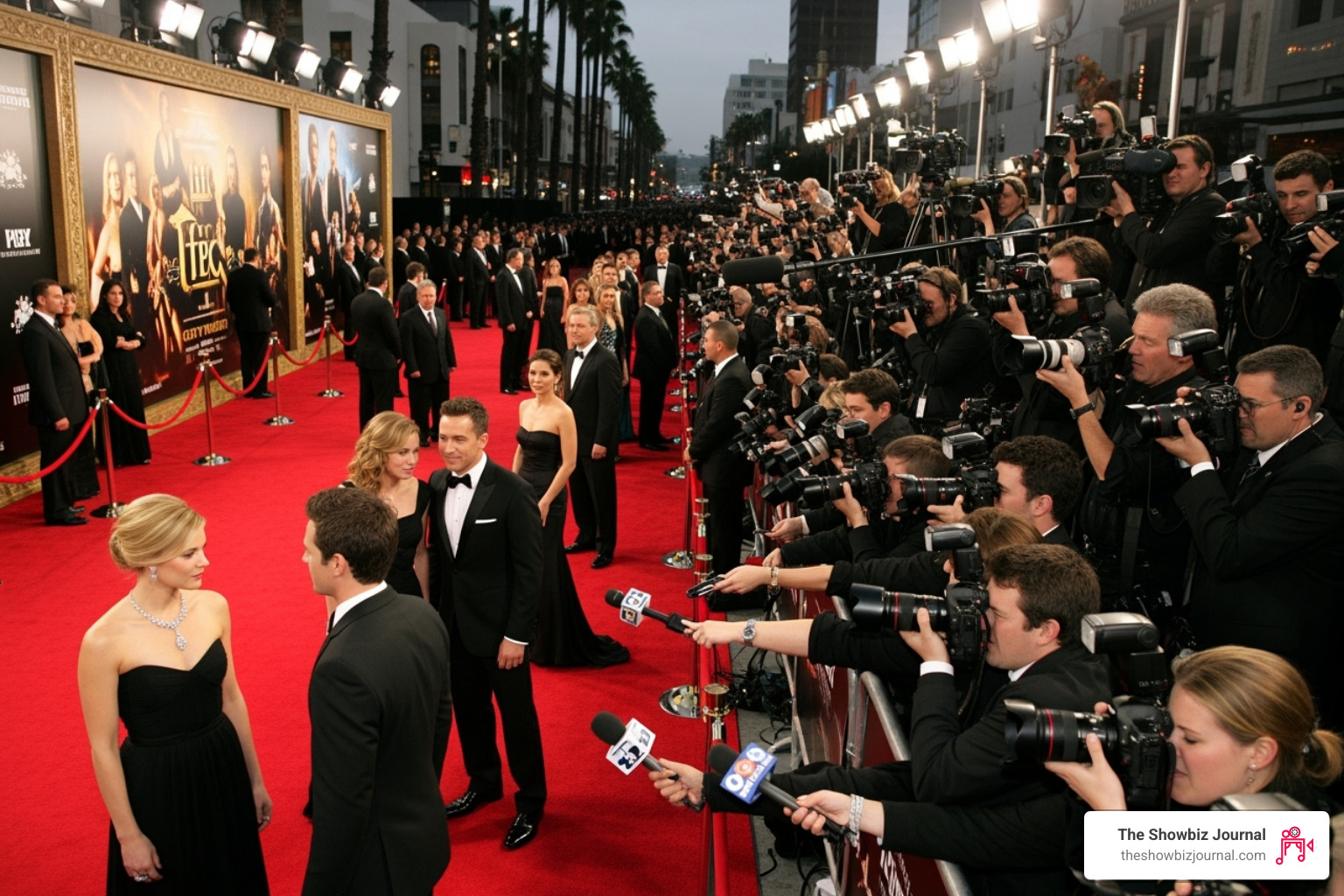
Studio executives face bet-the-farm gambles with big budget productions, where a $400 million request can make or break a studio. The industry’s 2.5x rule dictates a film must earn 2.5 times its production budget at the global box office to break even, covering massive marketing costs and the theater’s cut of ticket sales.
This makes global box office returns critical. A film must perform well internationally to be a true success. Even so, theatrical “bombs” can find new life through ancillary markets like merchandising, streaming rights, and home video sales, sometimes turning a loss into a long-term profit.
Do High Budgets Guarantee High Returns?
Absolutely not. The bigger the budget, the bigger the potential for failure. For every success story, there’s a cautionary tale.
-
Successes: Avengers: Endgame ($365M budget) earned a staggering $2.8 billion globally, showing what happens when a decade of storytelling pays off. Star Wars: The Force Awakens ($533M budget) revived a beloved franchise and grossed over $2 billion.
-
Disappointments: Indiana Jones and the Dial of Destiny ($402M budget) grossed only $384 million worldwide, failing to recoup even its production costs. Other examples include John Carter and The Last Duel, which struggled despite big budgets and talent.
Marketing plays a crucial role. A great film can fail if audiences don’t know it exists. In today’s fragmented media landscape, reaching the right people is a complex challenge, and studios often lack full insight into whether their digital ad spending is effective.
How Tax Credits Fuel Hollywood’s Biggest Spenders
Government incentives are a secret weapon in financing big budget productions. Film tax credits can return 30-40% of a production’s budget, making massive projects more viable. This has created a global competition, with locations like California, Georgia, New York, and the UK offering attractive packages.
Landing a major production boosts local economies by creating jobs and driving spending on local services. California’s Film & TV Tax Credit Program is a prime example. Now offering $330 million annually, it’s projected to generate $915 million in production spending for the state, including $503 million in qualified wages and vendor payments.
These credits don’t just attract productions—they change the economics of filmmaking, reducing the net cost and mitigating the enormous financial risks of big budget productions.
The All-Time Most Expensive Films: A Countdown

Pinning down exact film costs is difficult, as studios are secretive and figures vary. For this countdown, we’re using unadjusted production budgets—the actual dollars spent at the time of production.
#5. Avengers: Age of Ultron (~$365 Million)
This 2015 sequel’s hefty price tag was driven by ensemble cast salaries for its returning superstars and extensive and costly VFX needed to create believable, world-spanning superhero battles. As a crucial installment in the MCU, it also required expensive reshoots to perfect its complex narrative.
#4. Avengers: Endgame (~$356 – $400 Million)
The culmination of a multi-film saga, this cultural event’s budget was spent on massive cast salaries for nearly every major MCU character and groundbreaking visual effects. Combined with its predecessor, Infinity War, the production cost for the two-part finale topped $1 billion.
#3. Pirates of the Caribbean: On Stranger Tides (~$410 Million)
This 2011 sequel’s budget soared due to an astronomical star salary for Johnny Depp and its status as an early adopter of 3D filming technology, which required expensive specialized equipment. On-location shoots in Hawaii and the UK and complex water-based action sequences also added to the cost.
#2. Jurassic World: Fallen Kingdom (~$432 Million)
Universal’s 2018 dinosaur spectacle was a massive undertaking due to its blend of practical animatronics and CGI. Building life-sized animatronic creatures alongside developing cutting-edge digital effects was a complex and costly approach. Star salaries for the returning cast and a massive global marketing push also inflated the budget.
#1. Star Wars: The Force Awakens (~$533 Million)
Topping the list, this film represents the ultimate big budget production. Disney wasn’t just making a movie; they were reviving a beloved franchise. The cost included significant salaries for legacy cast members, cutting-edge practical and digital effects to achieve the authentic Star Wars feel, and filming in remote, logistically complex locations.
The Evolution of Big Budget Productions
The journey to today’s mega-budgets began early. Foolish Wives (1922) was the first to cross the $1 million mark. By 1963, Cleopatra cost over $30 million, nearly bankrupting its studio. The modern era began when True Lies (1994) crossed the $100 million threshold, followed by Titanic (1997) breaking the $200 million barrier. The rise of CGI has since pushed top budgets past $400 million, a far cry from early Hollywood epics.
Frequently Asked Questions about Big Budget Productions
What is the difference between a production budget and marketing costs?
The production budget covers the actual making of the film: cast and crew salaries, sets, visual effects, etc. Marketing costs, or Prints and Advertising (P&A), are separate and cover promotion like trailers, TV spots, and online ads. These costs are substantial, often equaling 50% to 100% of the production budget.
Why do studios keep making such expensive movies if they can lose money?
It’s a high-risk, high-reward strategy. While a single blockbuster carries significant risk, a successful one can generate profits that dwarf the initial investment. A hit film doesn’t just make money at the box office—it can spawn a multi-billion dollar franchise through sequels, merchandise, theme park attractions, and licensing deals that continue earning for decades. One massive hit can offset the losses from several failures.
How have new distribution models affected big budget productions?
The rise of streaming has dramatically changed the landscape. Platforms like Netflix and Amazon now produce their own large-scale films, increasing competition for talent and audience attention. This has also created new revenue streams and flexible distribution options for studios. Movies may have shorter theatrical windows before moving to streaming, or even debut simultaneously on both. This allows studios to adapt to changing consumer habits and reach wider audiences.
Conclusion
We’ve explored big budget productions, from their complex budgets to their high-stakes financial risks. The numbers tell a clear story: Hollywood has shifted from mid-budget dramas to global tentpole spectacles, with the percentage of mid-budget films dropping from 36% to just 5%.
These are calculated gambles. For every Avengers: Endgame that succeeds, an Indiana Jones and the Dial of Destiny can lose hundreds of millions. The 2.5x rule highlights the immense pressure for global box office success, while tax incentives from places like California, offering up to $330 million annually, have become crucial to making these projects financially viable.
Looking ahead, streaming platforms are reshaping the industry by producing their own big budget productions and offering new distribution models. The theatrical window is shrinking, and the rules for success are being rewritten. The push for bigger spectacle continues, but as we’ve learned, money alone doesn’t guarantee success. It’s the blend of a compelling story, smart marketing, and a bit of luck that creates true cinematic magic.
For more insights into the evolving entertainment industry, keep following The Showbiz Journal.

About the author
Annelise Sylta
Annelise Sylta is a member of the editorial staff at The Showbiz Journal. She holds an MBA from FIDM and brings a professional background in marketing, communications, branding, and audience engagement to her work with the publication. Her experience provides an additional perspective on the intersection of entertainment, culture, media, and contemporary lifestyle.
Up next


